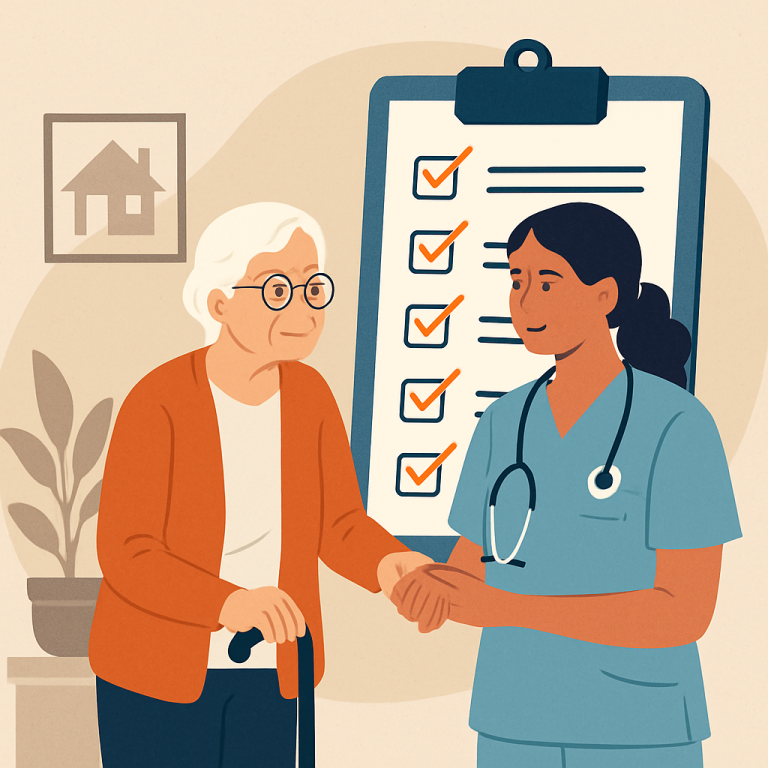

Introduction to Chronic Illness Management
Chronic illness management is a critical aspect of healthcare that focuses on enhancing the quality of life for individuals living with long-term health conditions. In the Greater Toronto Area (GTA), where healthcare resources are abundant but still challenged by a growing population, effective management strategies are essential. Chronic illnesses such as diabetes, arthritis, and heart disease require ongoing care and lifestyle adjustments to minimize health complications and promote well-being. This article aims to provide health enthusiasts with a comprehensive guide on chronic illness management, emphasizing the importance of home healthcare services and practical management strategies.
What is chronic illness and why is management important?
Chronic illness is defined as a health condition that lasts for a year or more and requires ongoing medical attention or limits daily activities. The World Health Organization (WHO) estimates that chronic diseases account for 71% of all deaths globally, highlighting their prevalence and impact on public health. Effective management of chronic illness is vital, as it not only improves patient outcomes but also alleviates the burden on healthcare systems. By implementing tailored management strategies, individuals can maintain a better quality of life, reduce hospital visits, and improve their overall health status.
Management involves a comprehensive approach that encompasses medical treatment, lifestyle modifications, and emotional support. Patients are encouraged to take an active role in their healthcare, engaging in shared decision-making with their providers. This collaborative effort can lead to better adherence to treatment plans, resulting in more favorable health outcomes.
How can home health care improve quality of life for those with chronic illnesses?
Home health care services have emerged as a pivotal resource for individuals with chronic illnesses, allowing them to receive care in the comfort of their homes. These services are designed to offer personalized care, promote independence, and enhance the overall quality of life for patients. Home health care can include a range of services, such as nursing care, physical therapy, medication management, and assistance with daily activities. By bringing healthcare directly to the patient, these services can significantly reduce the need for hospitalization and ensure timely interventions when necessary.
Moreover, home health care professionals can educate patients and their families about disease management techniques, ensuring they have the knowledge and tools to manage their conditions effectively. This education empowers patients to become active participants in their care, fostering a sense of control and improving their mental health alongside their physical health.
Understanding Home Healthcare Options
What types of home healthcare services are available in the GTA?
The Greater Toronto Area offers a diverse range of home healthcare services tailored to meet the unique needs of individuals with chronic illnesses. Key services include:
- Nursing Care: Registered nurses can provide medical assessments, administer medications, and monitor vital signs to ensure that patients are stable and compliant with treatment regimens.
- Physical and Occupational Therapy: These therapies help patients regain mobility and learn adaptive strategies for daily living, promoting independence and enhancing quality of life.
- Personal Support Workers (PSWs): PSWs assist with daily activities such as bathing, dressing, and meal preparation, ensuring that patients receive the necessary support without compromising their dignity.
- Home Health Aides: These aides provide companionship and basic health monitoring, which can be particularly beneficial for patients managing chronic illnesses at home.
These services can be tailored to fit individual needs, allowing for a customized approach to chronic illness management. The ability to receive care at home not only adds convenience but also fosters a supportive environment that can lead to better health outcomes.
How do I choose the right home health care provider for chronic illness?
Selecting the right home health care provider is a crucial step in managing chronic illness effectively. Here are key considerations when making this choice:
- Assess Credentials: Ensure that the agency is licensed and that staff members are appropriately trained and certified. Accreditation from recognized bodies can provide additional assurance of quality care.
- Evaluate Services Offered: Different agencies may specialize in various services. Choose a provider that offers the specific services required for your condition.
- Read Reviews and Testimonials: Feedback from previous clients can provide insight into the quality of care offered by the agency and help gauge patient satisfaction.
- Consult with Healthcare Providers: Your primary care physician or specialist can offer recommendations based on their experience and knowledge of your health needs.
By thoroughly researching and evaluating potential providers, patients can ensure they are receiving the best possible care tailored to their individual requirements.
Practical Management Strategies
What are the best practices for managing chronic illness at home?
Managing chronic illness at home involves a combination of medical adherence, lifestyle modifications, and emotional support. Here are some best practices:
- Medication Management: Adhering to prescribed medications is essential for controlling symptoms and preventing complications. Utilize pill organizers or medication reminders to ensure timely intake.
- Regular Monitoring: Keeping track of symptoms, blood sugar levels, or blood pressure can help identify trends and triggers, allowing for proactive management.
- Healthy Diet: Nutrition plays a crucial role in managing chronic diseases. Consult with a dietitian to create a meal plan that supports your health goals and accommodates any dietary restrictions.
- Physical Activity: Engaging in regular exercise can improve physical function, reduce fatigue, and enhance mood. Tailor your exercise routine to accommodate your abilities and limitations.
Implementing these practices consistently can help patients take control of their health and make informed decisions regarding their care. Furthermore, open communication with healthcare providers can facilitate ongoing adjustments to treatment plans as needed.
How can technology and telehealth assist in chronic illness management?
Technology has revolutionized chronic illness management, offering innovative solutions that enhance patient care and convenience. Telehealth, in particular, has gained popularity, allowing patients to consult healthcare providers remotely. This option is especially beneficial for individuals with mobility challenges or those living in remote areas. Through video appointments, patients can receive expert advice, discuss symptoms, and adjust treatment plans without the need for travel.
Additionally, wearable devices and health apps can track vital signs, physical activity, and medication adherence. This data can be shared with healthcare professionals, enabling them to monitor patients more closely and make timely interventions when necessary. The integration of technology in chronic illness management not only improves access to care but also encourages patients to become active participants in their health journey.
Support Systems and Resources
What support groups are available for chronic illness patients in the GTA?
Support groups provide invaluable resources for individuals managing chronic illnesses, fostering a sense of community and understanding among participants. In the GTA, various organizations offer support groups tailored to specific conditions, including diabetes, cardiovascular diseases, and mental health challenges. These groups often meet regularly and provide a safe space for sharing experiences, discussing coping strategies, and receiving emotional support.
In addition to in-person meetings, many organizations have transitioned to online platforms, making it easier for individuals to connect with others regardless of geographical barriers. Engaging with support groups can enhance emotional resilience, reduce feelings of isolation, and provide practical advice on navigating the complexities of chronic illness.
How can family and friends assist in managing chronic illness?
The role of family and friends in chronic illness management cannot be overstated. A strong support system can significantly impact a patient’s emotional well-being and adherence to treatment plans. Family members can assist with daily tasks, accompany patients to medical appointments, and provide encouragement during challenging times. It’s essential for loved ones to educate themselves about the specific chronic illness to understand its challenges and intricacies better.
Open communication is vital; family members should encourage patients to express their feelings and concerns, which can help alleviate stress and anxiety. Additionally, involving family and friends in the management process, such as meal preparation or exercise routines, can foster a supportive environment that enhances the patient’s ability to cope with their condition.
Long-term Wellness and Prevention
What lifestyle changes can enhance chronic illness management?
Adopting a proactive approach to lifestyle changes can significantly improve chronic illness management. Key areas to focus on include:
- Nutrition: A balanced diet rich in fruits, vegetables, whole grains, and lean proteins can strengthen the immune system and reduce disease-related complications.
- Regular Exercise: Engaging in physical activity can help manage weight, improve cardiovascular health, and enhance overall physical function.
- Stress Management: Techniques such as mindfulness, yoga, and meditation can help reduce stress levels, which is particularly beneficial for individuals managing chronic conditions.
Implementing these changes can lead to better control of symptoms, improved mental well-being, and enhanced quality of life. Additionally, addressing risk factors such as smoking, excessive alcohol consumption, and sedentary behavior is crucial in preventing exacerbations of chronic illnesses.
How important is regular follow-up and assessment in chronic illness care?
Regular follow-up appointments and assessments are essential components of effective chronic illness management. These visits allow healthcare providers to monitor the progression of the disease, assess the effectiveness of treatment plans, and make necessary adjustments. Consistent evaluations help detect potential complications early, enabling timely interventions that can prevent more severe health issues.
Furthermore, regular assessments provide patients with the opportunity to voice their concerns and discuss any changes in their condition. This open line of communication fosters a collaborative approach to care, ensuring that patients feel supported and actively involved in their health journey.
Conclusion
Where can I find more information on managing chronic illness?
For those seeking additional resources and information on chronic illness management, numerous organizations provide valuable educational materials, support, and guidance. Websites such as the Canadian Diabetes Association, Heart and Stroke Foundation, and Mental Health Canada offer resources tailored to specific conditions. Engaging with these organizations can empower individuals to take control of their health and make informed decisions regarding their care.
Visit Cedar Home Healthcare for More Information
For further assistance in selecting quality home healthcare services, consider exploring Cedar Home Healthcare. They offer a wide range of services tailored to individual needs and can help guide you through the process of finding the right care. Visit cedarhomehealthcare.com for more information.
Additional Resources
In the GTA, various organizations and websites provide additional resources that can assist families in navigating home healthcare. Here are some useful links:
- Home, Community and Long-Term Care
- Home Care (CIHI)
- Ontario Health atHome — Home Care
- Home and Community Care
- Self-Management Ontario — Chronic Disease Self-Management Programs
- In-Home Nursing – Toronto Central
FAQs
What is the most common chronic illness?
The most common chronic illness varies by region, but globally, cardiovascular diseases, diabetes, and chronic respiratory diseases are among the leading causes of morbidity and mortality.
How can I improve my mental health while managing a chronic illness?
Improving mental health can involve engaging in support groups, practicing mindfulness, maintaining open communication with loved ones, and seeking professional counseling if necessary.
Are there financial resources available for chronic illness management?
Yes, various programs and grants may assist individuals with chronic illnesses in covering medical expenses. It is recommended to explore both government and nonprofit organizations for potential financial support.
How often should I see my healthcare provider for chronic illness management?
Follow-up frequency can vary depending on the specific chronic illness and individual health status. Generally, regular visits every three to six months are advisable, but this should be tailored based on the patient’s condition and recommendations from healthcare providers.