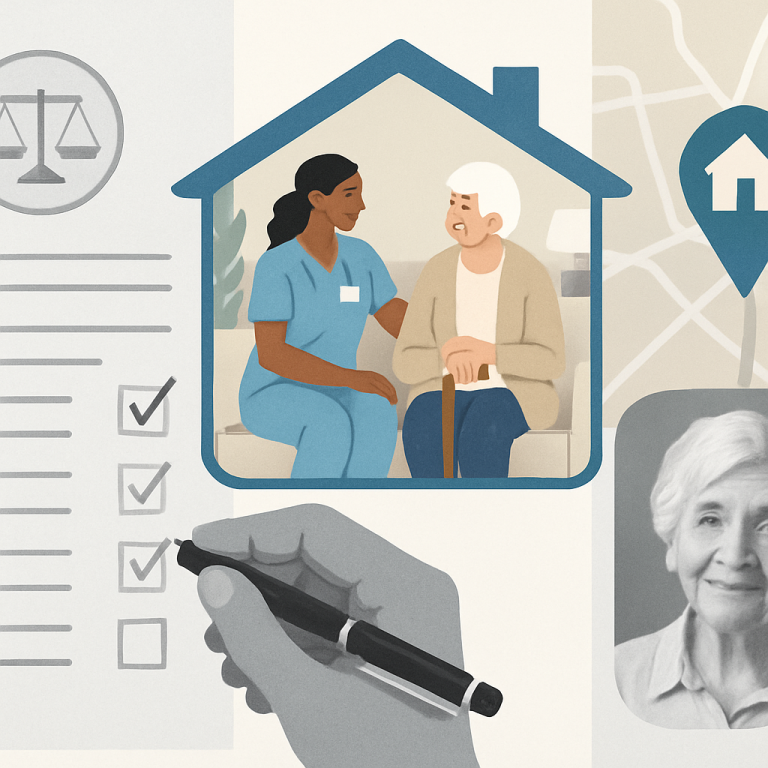

Learn effective strategies for medication management and safety for seniors. Discover how to prevent errors, ensure proper dosage, and support health at home.
As we age, the likelihood of taking multiple medications increases. Seniors often manage prescriptions for chronic conditions such as diabetes, hypertension, heart disease, arthritis, or cognitive disorders. While medications are essential for maintaining health, improper administration can lead to serious complications, including adverse drug interactions, hospitalization, or decreased quality of life.
At Cedar Home Health Care, we understand that proper medication management is a cornerstone of safe, effective home care. By implementing clear systems and professional oversight, seniors can maintain health while minimizing risks.
Why Medication Management Is Critical
Medication errors are a common concern for older adults. Factors that contribute to mistakes include:
-
Complex medication regimens with multiple prescriptions
-
Confusion about dosage or timing
-
Memory difficulties or cognitive decline
-
Similar-looking or sounding medications
-
Side effects that may interfere with adherence
Even minor errors can have serious consequences, such as low or high blood pressure, blood sugar fluctuations, falls, or worsening symptoms. Ensuring proper medication management is not just a health necessity—it is a safety priority.
Common Medication Challenges for Seniors
-
Polypharmacy
Taking multiple medications at once increases the risk of drug interactions and side effects. -
Cognitive Impairment
Memory issues or dementia can lead to missed doses or accidental double-dosing. -
Complex Dosing Schedules
Some medications require specific timing, such as before or after meals or at intervals throughout the day. -
Side Effects
Adverse reactions may discourage adherence or be mistaken for new health problems. -
Storage Issues
Improper storage can reduce effectiveness or increase the risk of accidental ingestion.
Strategies for Safe Medication Management
1. Keep an Updated Medication List
Maintain a detailed list that includes:
-
Medication names (both brand and generic)
-
Dosage instructions
-
Frequency and timing
-
Prescribing physician
-
Known allergies or interactions
Update this list with each new prescription or change. This list should be easily accessible for caregivers, family members, and healthcare providers.
2. Use Medication Organizers
Pill organizers and blister packs help seniors track daily doses. They reduce the risk of missed or duplicate medications and are especially helpful for individuals with multiple prescriptions.
3. Establish a Consistent Routine
Take medications at the same time each day, ideally tied to daily routines such as meals or bedtime. Consistency helps reduce forgetfulness and ensures proper absorption.
4. Set Reminders
Alarms, phone notifications, or caregiver prompts can support adherence. Some families also use apps designed for medication tracking, which can alert both seniors and caregivers if a dose is missed.
5. Review Medications Regularly with Healthcare Providers
Regular reviews with doctors or pharmacists help identify:
-
Potential drug interactions
-
Adjustments needed for kidney or liver function
-
Simplified dosing strategies
-
Alternative medications with fewer side effects
6. Store Medications Safely
Proper storage ensures effectiveness and prevents accidental ingestion:
-
Keep medications in a cool, dry place
-
Use childproof containers if needed
-
Avoid storing pills in bathrooms, where moisture can damage them
7. Educate Seniors and Caregivers
Understanding the purpose, side effects, and correct usage of each medication encourages adherence and reduces anxiety. Caregivers should also be trained to identify early signs of adverse reactions.
The Role of Professional Home Health Care
Even with careful planning, managing medications can be overwhelming, especially for seniors with multiple health conditions. Professional home health providers can help by:
-
Administering medications safely
-
Monitoring for side effects and interactions
-
Coordinating with physicians and pharmacists
-
Assisting with refills and organization
-
Providing education and reassurance
At Cedar Home Health Care, our trained caregivers ensure medications are taken accurately and on time, giving both seniors and families peace of mind.
Signs That Extra Support May Be Needed
Families should seek assistance if seniors experience:
-
Frequent missed doses or confusion about medications
-
Dizziness, fatigue, or other unexplained symptoms
-
Difficulty opening pill bottles or handling medications
-
Multiple changes to prescriptions within a short period
Early intervention can prevent serious health complications.
Promoting Health and Safety at Home
Safe medication management is more than a routine—it is essential to maintaining health, independence, and quality of life. By combining careful planning, routine checks, and professional support, seniors can take medications confidently and safely.
Cedar Home Health Care is committed to supporting seniors in all aspects of home care, including medication management. Our compassionate, professional caregivers provide guidance, oversight, and hands-on assistance to ensure your loved one’s medications are administered safely and effectively.
Contact Cedar Home Health Care today to learn how our personalized home health services can enhance safety, improve adherence, and provide peace of mind for both seniors and their families.