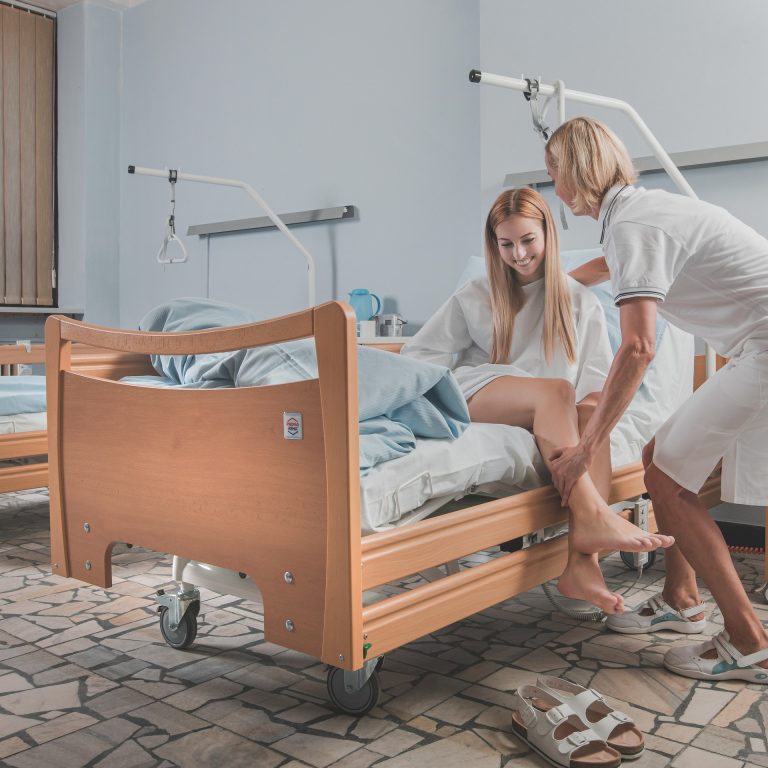

Learn practical home care strategies for managing chronic illnesses such as diabetes, hypertension, stroke, and arthritis. Discover how professional home health support improves quality of life.
Chronic illnesses require ongoing care, monitoring, and lifestyle adjustments. Conditions such as diabetes, hypertension, stroke, and arthritis can significantly affect daily living if not properly managed. However, with the right support system and structured care plan, individuals can maintain independence, reduce complications, and improve their overall quality of life—all from the comfort of home.
At Cedar Home Health Care, we specialize in providing compassionate, professional in-home support that helps clients manage chronic conditions safely and effectively.
Understanding Chronic Illness Management at Home
Chronic illness management involves consistent monitoring, medication adherence, lifestyle modifications, and coordination with healthcare providers. Unlike acute conditions, chronic diseases require long-term strategies focused on stability and prevention of complications.
Effective home management aims to:
-
Prevent hospital readmissions
-
Control symptoms
-
Maintain mobility and independence
-
Improve emotional well-being
-
Enhance overall quality of life
Family involvement combined with professional home health services creates a strong foundation for successful care.
Managing Diabetes at Home
Diabetes requires careful blood sugar monitoring and dietary control. Without proper management, complications such as nerve damage, kidney disease, and vision problems may develop.
Key Care Strategies:
-
Regular Blood Glucose Monitoring: Tracking levels helps detect fluctuations early.
-
Balanced Nutrition: Emphasize controlled carbohydrate intake, lean proteins, and high-fiber foods.
-
Medication or Insulin Adherence: Taking medications exactly as prescribed is essential.
-
Foot Care: Daily foot inspections help prevent infections and complications.
-
Physical Activity: Moderate exercise improves blood sugar control and circulation.
Professional caregivers can assist with medication reminders, meal planning, and monitoring for warning signs such as dizziness or confusion.
Managing Hypertension (High Blood Pressure)
Hypertension is often called a “silent condition” because it may not show noticeable symptoms until serious complications occur. Uncontrolled high blood pressure increases the risk of heart attack and stroke.
Key Care Strategies:
-
Routine Blood Pressure Monitoring: Regular checks help ensure levels remain within target range.
-
Low-Sodium Diet: Reducing salt intake supports heart health.
-
Stress Management: Relaxation techniques and structured routines reduce strain on the cardiovascular system.
-
Medication Compliance: Skipping doses can cause dangerous fluctuations.
-
Regular Physical Activity: Gentle exercise strengthens the heart and improves circulation.
Home health professionals provide consistent monitoring and communicate changes to physicians when necessary.
Stroke Recovery and Ongoing Care
After a stroke, individuals may experience weakness, speech difficulties, memory challenges, or mobility limitations. Recovery often requires a coordinated care plan involving therapy and consistent support.
Key Care Strategies:
-
Medication Management: Preventing secondary strokes through prescribed medications is critical.
-
Physical Therapy Exercises: Encouraging movement helps regain strength and coordination.
-
Speech and Cognitive Support: Structured exercises support communication and memory.
-
Fall Prevention Measures: Stroke survivors are at higher risk for falls.
-
Emotional Support: Depression and anxiety are common after stroke.
Compassionate caregivers play a vital role in assisting with mobility, reinforcing therapy exercises, and providing emotional reassurance.
Managing Arthritis at Home
Arthritis causes joint pain, stiffness, and inflammation that can limit daily activities. Although it cannot be cured, symptoms can be effectively managed.
Key Care Strategies:
-
Gentle Exercise: Low-impact activities such as stretching or walking maintain joint flexibility.
-
Pain Management: Medications and heat or cold therapy can reduce discomfort.
-
Assistive Devices: Walkers, braces, or adaptive tools improve independence.
-
Weight Management: Maintaining a healthy weight reduces stress on joints.
-
Home Modifications: Removing fall hazards and adding support features enhances safety.
Caregivers assist with daily activities that may be difficult due to joint pain, ensuring clients remain comfortable and active.
The Importance of Medication Management
Across all chronic conditions, medication adherence is one of the most critical aspects of care. Missing doses, incorrect timing, or drug interactions can lead to serious complications.
Professional home health providers help by:
-
Organizing medications
-
Providing reminders
-
Monitoring side effects
-
Communicating concerns to physicians
This structured approach minimizes risk and promotes stability.
Supporting Emotional and Mental Well-Being
Living with a chronic illness can be emotionally challenging. Anxiety about symptoms, fear of complications, and lifestyle changes can affect mental health.
Encouraging open communication, providing companionship, and maintaining structured daily routines help reduce emotional stress. Professional caregivers offer both physical support and meaningful human connection.
The Role of Cedar Home Health Care
At Cedar Home Health Care, we create personalized care plans designed to meet each client’s unique medical and personal needs. Our skilled professionals assist with:
-
Health monitoring
-
Medication management
-
Mobility support
-
Nutritional guidance
-
Emotional companionship
-
Coordination with healthcare providers
Our goal is to empower individuals to manage their conditions confidently while remaining in the comfort and familiarity of their homes.
Promoting Long-Term Health and Stability
Chronic illnesses require consistent attention, but they do not have to diminish quality of life. With structured care strategies, supportive family involvement, and professional home health services, individuals can live safely, comfortably, and independently.
If your loved one is managing diabetes, hypertension, stroke recovery, arthritis, or another chronic condition, Cedar Home Health Care is here to help. Contact us today to learn how our compassionate, personalized home care services can support long-term health and peace of mind for your family.