
Introduction
Surgery recovery is a crucial phase that significantly influences the overall health and well-being of patients. Understanding the recovery process is essential not just for the individuals undergoing surgery but also for their families and caregivers. Effective recovery can lead to better health outcomes, quicker return to daily activities, and improved quality of life.
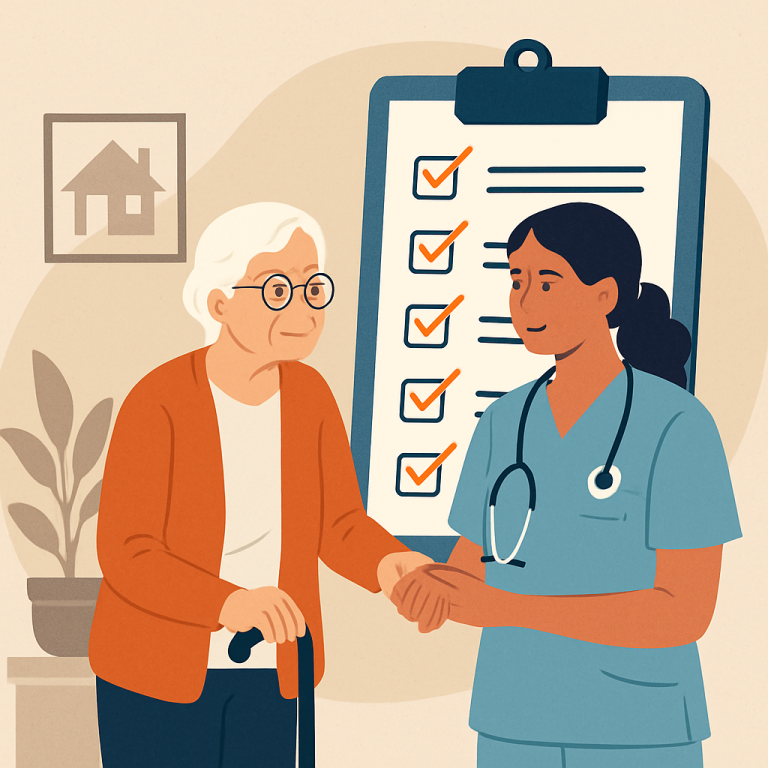
In recent years, home healthcare has emerged as an increasingly popular option for supporting patients in their recovery journey. It provides tailored care in a familiar environment, which can aid healing and comfort. This article explores the benefits of home healthcare as a viable solution for individuals recovering from surgery, emphasizing its impact on recovery outcomes, emotional support, and overall patient satisfaction.
What is Home Healthcare?
Definition and Services Offered
Home healthcare refers to a wide range of health services delivered in a patient’s home, tailored to meet individual needs. It encompasses various services, including nursing care, physical therapy, occupational therapy, and even telehealth consultations. This model allows patients to receive comprehensive medical attention without the need to reside in a hospital or rehabilitation center.
Typically, home healthcare providers offer personalized assessments, care plans, and follow-up support. Services can range from wound care and medication management to assistance with daily activities such as bathing and meal preparation. This flexibility ensures that patients receive the appropriate level of care based on their specific recovery requirements.
Advantages of Home Healthcare
One of the primary advantages of home healthcare is the comfort of recovering in one’s own environment. Familiar surroundings can alleviate anxiety and promote emotional well-being, which is vital during the recovery process. Additionally, home healthcare often allows for more personalized attention compared to traditional hospital settings, where patient-to-nurse ratios can be significantly higher.
Another benefit is the reduced risk of hospital-related complications. Being in a hospital can expose patients to infections and other risks associated with prolonged stays. Home healthcare minimizes these risks, allowing patients to focus on their recovery without the added stress of being in a clinical environment.
Research-Based Benefits of Home Healthcare for Surgery Recovery
Personalized Care Plans
Home healthcare providers typically develop customized care plans tailored to the individual needs of the patient. This personalized approach ensures that patients receive the exact type and level of care they require, which can significantly impact recovery speed and effectiveness. For instance, if a patient requires physical therapy post-surgery, a specialized therapist can design a regimen that aligns with their recovery goals.
Moreover, personalized care plans facilitate better communication between patients and caregivers. Patients can express their concerns and preferences, fostering a collaborative care environment that enhances overall satisfaction and adherence to treatment protocols.
Reduced Hospital Readmission Rates
Studies have shown that patients who utilize home healthcare services experience lower rates of hospital readmissions compared to those who do not. This reduction can be attributed to continuous monitoring and timely interventions that are part of home-based care. If complications arise, healthcare providers can address them quickly, often preventing the need for hospitalization.
Furthermore, this proactive approach not only benefits the patient’s health but also alleviates the burden on healthcare systems, making home healthcare an increasingly important option in modern healthcare strategies.
Emotional and Mental Support
The recovery process can be emotionally taxing. Home healthcare offers not only physical support but also emotional and mental encouragement, which is critical for healing. Healthcare professionals working in home settings are trained to recognize the psychological needs of their patients and can provide the necessary support through counseling and motivational techniques.
Moreover, having loved ones around can enhance emotional support, enabling patients to cope better with the challenges of recovery. The combination of professional care and personal familiarity contributes to an overall more uplifting recovery experience.
How Home Healthcare Improves Recovery Outcomes
Continuous Monitoring and Care
Home healthcare allows for continuous monitoring of vital signs and recovery progress, which can help identify complications early. Healthcare professionals can perform regular assessments and adjust care plans as needed, ensuring that patients receive optimal treatment throughout their recovery phase.
This level of attention can lead to improved outcomes. For instance, a nurse visiting a patient’s home can evaluate their recovery in real-time, making it easier to identify problems such as infections or improper healing, which might require immediate attention.
Increased Comfort and Convenience
Another significant advantage of home healthcare is the comfort and convenience it provides. Patients can recover in their own beds, surrounded by their personal belongings, which can help them feel more at ease during a challenging time. This comfort can lead to quicker recovery and improved mental health, making the overall process smoother for both the patient and their family.
The convenience of home healthcare also extends to scheduling. Patients often have more flexibility in arranging appointments with their healthcare providers, enabling them to receive care at times that work best for them. This personalized approach fosters a more positive recovery experience.
Enhanced Communication with Healthcare Providers
Effective communication is vital for successful recovery, and home healthcare enhances this aspect significantly. Patients have more opportunities to ask questions and express their concerns when healthcare providers visit them at home. This open line of communication can lead to better understanding and compliance with recovery protocols.
Additionally, healthcare providers can engage in more meaningful discussions about the patient’s condition and progress. This collaboration helps in building trust, allowing patients to feel empowered in their recovery journey.
Case Studies and Statistics
Successful Recovery Stories
Many patients have shared their success stories regarding home healthcare’s positive impact on their recovery. For example, a post-operative knee replacement patient reported a significant decrease in anxiety levels and pain when transitioning from hospital care to home healthcare. With personalized therapy and assistance, the patient regained mobility faster and was able to participate in family activities sooner than anticipated.
Another case involved an elderly patient recovering from heart surgery. The combination of in-home nursing care and family support proved instrumental in managing medications and following dietary recommendations. The patient not only avoided readmission but also reported an overall improvement in quality of life.
Statistical Evidence Supporting Home Healthcare
Research highlights the benefits of home healthcare, indicating that patients receiving home-based care after surgery have a 20% lower readmission rate compared to those who do not. Furthermore, studies show that patients in home healthcare settings experience a 30% reduction in overall healthcare costs, emphasizing the financial benefits alongside the health advantages.
These statistics underline the efficacy of home healthcare as a viable alternative to traditional recovery methods, reinforcing its role in modern medical practice.
Choosing the Right Home Healthcare Provider
Factors to Consider
Selecting the right home healthcare provider is crucial for achieving positive outcomes. Key factors to consider include the provider’s qualifications, experience, and range of services offered. It’s essential to choose a provider who specializes in the specific needs of the patient, whether it be post-surgical care, rehabilitation, or chronic disease management.
Additionally, consider the provider’s reputation and patient reviews. This information can offer insights into the quality of care and the experiences of others who have utilized their services. Ensuring that the provider is licensed and accredited will also help guarantee that they meet established industry standards.
Questions to Ask Potential Providers
When interviewing potential home healthcare providers, it’s important to ask several key questions to gauge their suitability. Inquire about their staff’s qualifications and training, as well as their experience with specific procedures or conditions relevant to the patient’s needs. Understanding the process for developing personalized care plans is also vital.
Additionally, ask about their communication practices and how they will keep you and your family informed throughout the recovery process. Clarifying the availability of services, including emergency support, can also provide peace of mind during recovery.
Conclusion
Home healthcare presents a transformative approach to recovery following surgery, offering numerous benefits that enhance both physical and emotional well-being. From personalized care plans to reduced hospital readmission rates, the advantages of this model are compelling.
In summary, transitioning to home healthcare can significantly improve recovery outcomes, providing comfort, convenience, and continuous support. As healthcare continues to evolve, home healthcare will undoubtedly play a crucial role in the future of patient recovery.