Home Help for Seniors: Practical Services That Improve Daily Life and Reduce Isolation
Home help for seniors is more than bathing and meal prep — it combines personal care, clinical visits, companionship and household supports to reduce isolation and preserve independence. Read on for concrete examples of services, evidence-backed benefits, Passport funding and other ways to pay, plus a practical checklist to help you choose reliable, clinically supervised care.
Why home help for seniors matters: health, independence, and social connection
Direct health effects come through social and practical channels. Large meta-analyses tie social connection to lower mortality and better recovery; the public health literature treats isolation as a measurable risk factor for older adults (Holt-Lunstad et al. and the CDC both make this clear). Home help for seniors operates at the intersection of clinical safety and everyday social contact — it is not optional nicety.
Two practical goals define effective home help: preserve daily function and create reliable social contact. Practical supports keep someone safe and independent at home — medication prompts, mobility assistance, wound checks — while companionship and escorted outings prevent the slow withdrawal that leads to measurable declines in mood, cognition, and physical health.
How services produce measurable benefits
- Clinical visits reduce acute events: Regular RN or RPN checks catch early signs of infection or medication errors that otherwise become ER visits.
- Daily hands-on help preserves routines: Consistent PSW support for bathing and mobility reduces falls and maintains self-care habits.
- Structured companionship increases engagement: Activity-focused visits and escorted outings create reasons to leave the house and keep appointments.
Concrete example: After a hip repair, Mrs. Patel had daily personal support worker visits for transfers and bathing, RN wound checks every other day, and twice-weekly companionship walks that reintroduced her to a nearby seniors group. Within six weeks she avoided a readmission for wound issues and resumed attending community lunches, which her family and clinicians agreed sped her recovery.
A practical trade-off to accept: Increasing supervised hours improves safety but can also reduce the older adult’s sense of autonomy if visits are overly rigid. The right approach pairs clinical oversight with flexible, person-centered scheduling so care protects health without replacing choice.
What people underestimate: Families often treat companionship as a low-priority add-on, then are surprised when loneliness undermines medication adherence and rehab participation. In practice, pairing a PSW visit with a short social activity — a phone check-in, a puzzle, or a cancelled grocery run turned companion outing — yields disproportionate benefits.
Next consideration: If funding is a constraint, prioritize clinical visits that reduce readmission risk, then layer in companionship hours as budget allows; provincial programs and community organizations can fill gaps if you know where to ask.
Essential personal care services and their practical benefits
Practical claim: Personal care tasks are the backbone of safe, independent living because they stop small problems from becoming crises and create repeatable moments of human contact.
Core tasks and the real benefits
- Assistance with transfers and mobility: prevents falls by ensuring safe techniques, correct use of mobility aids, and environmental adjustments that keep someone moving.
- Bathing, grooming and toileting support: preserves hygiene and dignity while giving caregivers repeated opportunities to detect skin changes, weight loss, or mood shifts.
- Medication reminders versus medication administration: simple prompts increase adherence; nursing-led medication administration or reconciliation reduces dosing errors and adverse drug events.
- Meal preparation and eating support: ensures nutrition and offers a social anchor when meals are shared or discussed during visits.
When to involve nursing: Tasks that require clinical judgment – wound checks, complex medication changes, IV or catheter care – need an RN or RPN. Delegating these to non-clinical staff is a common mistake that increases risk and usually produces more cost in the long run through ER visits or readmissions.
Tradeoffs families should plan for
Continuity versus flexibility: Short, frequent visits keep routines predictable but increase the number of different caregivers who enter the home. Longer, slightly less frequent visits cost the same or less and build rapport faster, which matters for reducing isolation and ensuring someone actually accepts help.
Skill mix matters: A personal support worker is the right person for safe transfers and personal hygiene. For wound care, changing complex dressings, or medication changes, plan for scheduled RN or RPN oversight rather than expecting PSWs to manage these duties.
Practical limitation: Budget constraints often force a choice between clinical hours and companionship. When funding is limited, schedule clinical visits at predictable times and pair them with volunteer or community-touch supports for social contact – a layered approach works better than cutting clinical care.
Concrete Example: Mr. Lopez received twice-daily PSW visits for toileting and breakfast assistance, an RN visit every third day to check a surgical wound, and a weekly companionship visit that took him to a lunch program. Within four weeks he regained confidence with transfers, kept all follow-up appointments, and rejoined a small card group that slowed his withdrawal from community life.
Judgment: Families who treat personal care as only physical assistance miss its social value. The best programs use personal care visits to monitor health signals and to create consistent, meaningful social interaction. If dementia is present, insist on dementia-trained staff – otherwise good intentions can escalate behaviours and reduce effectiveness, which is a frequent and avoidable failure in practice. For guidance on dementia-specific approaches see the Alzheimer Society of Canada.
Companionship services that reduce isolation and boost mental health
Direct point: Regular, structured companionship is not an optional perk — it is a core element of effective home help for seniors because it converts occasional contact into predictable social support that changes behaviour and mood over weeks, not days.
What companionship services actually look like
Service types: Companion visits come in several practical forms: conversational check-ins, activity-based visits (games, music, gardening), scheduled phone or video calls, escorted community outings, and volunteer-linked programs that supplement paid hours. Each format serves a different risk profile — isolated but mobile seniors benefit most from escorted outings; homebound seniors get more from frequent short social check-ins.
- Conversational visits: 45–90 minute in-home visits focused on personal stories, reading, or sharing photos to maintain identity and memory.
- Activity-based visits: structured sessions using a goal (walk to a park, craft session, cognitive game) to encourage routine engagement and measurable progress.
- Remote check-ins: scheduled video or phone contacts to supplement in-person time and detect early warning signs between visits.
- Escorted outings: transport plus accompaniment to a social program, medical appointment, or grocery run to preserve community ties.
Practical trade-off: Paid companionship hours are visible in a budget; community and volunteer programs often fill gaps but require coordination. If funding is limited, prioritize consistency over variety — one reliable weekly companion will usually reduce isolation more than sporadic different volunteers.
Judgment that matters: Families underestimate how quickly unstructured visits fail to move the needle. The visits that work have a simple habit-forming logic: same day, same activity or check, and a small measurable goal (attend a lunch, complete a 20-minute walk, make one call to a friend). That predictability produces adherence to rehab, better mood, and fewer missed appointments.
Concrete Example: Mrs. Nguyen received two 60-minute companionship sessions weekly focused on music and short neighborhood walks, plus three brief video check-ins. Within six weeks she resumed a weekly seniors choir and stopped cancelling clinic visits — her care team documented improved mood and better medication adherence during RN follow-ups.
Focus on regularity and purpose: schedule companionship with clear, repeatable activities rather than ad hoc social time.
Home based clinical and rehabilitative supports that enable safe aging at home
Clinical care at home is not optional; it is the backbone that keeps higher-risk seniors out of hospital. Regular nursing assessments, targeted rehabilitation and coordinated PSW support address the specific physiologic and functional gaps that cause readmissions and loss of independence.
Who does what and when to escalate
Registered Nurses (RN) and Registered Practical Nurses (RPN): perform clinical assessment, medication reconciliation, IV or complex dressing changes, and clinical triage. Bring them in for any new wound, unexpected fever, medication change, or post-op course.
Personal Support Workers (PSW): deliver hands-on ADL assistance, safe transfers, toileting, and informal observation. PSWs are the eyes and ears between nursing visits; they should feed structured observations back into the care plan rather than working in isolation.
| Role | Typical clinical tasks | Suggested early-post-discharge frequency |
|---|---|---|
| RN / RPN | Wound checks, medication management, clinical escalation | Within 24–48 hours after discharge, then every 48–72 hours as needed |
| PSW | Mobility support, bathing, meal assistance, daily safety checks | Daily or twice-daily in the first 1–2 weeks for higher-risk patients |
| Physiotherapist / Occupational Therapist | Gait training, home safety modifications, ADL retraining | 2–3 sessions in the first week, then weekly review |
Practical trade-off: frequent short visits create more touchpoints but fragment responsibility; longer, focused visits give clinicians time to assess, build rapport, and coach family caregivers. In practice, schedule at least one longer RN or therapy visit early in recovery and use shorter PSW or companion follow-ups to maintain routines.
Coordination matters more than adding hours. A well-documented, shared care plan that links the primary care physician, home care nurses, therapists, and the agency avoids duplicated work and missed signals. Ask a provider how they communicate abnormal findings and whether they will notify primary care directly.
Concrete example: After a knee replacement, Mr. Chen had an RN visit within 24 hours, daily PSW-assisted transfers for the first five days, and twice-weekly physiotherapy. The RN identified early cellulitis during a scheduled wound review and arranged same-day antibiotics with the surgeon, averting an ER transfer and keeping Mr. Chen on his rehabilitation pathway.
What families underestimate: nursing oversight is not the same as on-call availability. Some agencies list RN supervision but limit in-person visits. Verify actual visit frequency, who covers nights and weekends, and whether escalation includes direct physician contact rather than only agency managers.
Next consideration: prioritize clinical visits during high-risk windows (immediately after discharge, medication changes, new symptoms). If funding or hours are limited, front-load RN and therapy time and use community companions or volunteer programs to maintain social contact while clinical recovery stabilizes. For Passport funding navigation and combined clinical-social plans consult Cedar Home Health Care Passport funding.
Practical household supports that maintain a safe, social environment
Direct point: Household supports are not just convenience items — they change the conditions that allow social life to happen. A clean, well-fed, and reliably navigable home is the difference between a senior who welcomes visitors and one who withdraws.
Cleaning and home maintenance: Regular cleaning, clutter removal, and simple repairs reduce trip hazards and make the home look inviting. Visitors are more likely to come — and friends or volunteers are more likely to stay — when the environment feels cared for. Practical trade-off: professional cleaning on a schedule costs money; a hybrid approach (monthly deep clean plus weekly light touch by a PSW or volunteer) often preserves both budget and dignity.
Meal preparation and food management: Hot meals delivered or prepared in-home keep nutrition up and give staff a built-in social moment. When a companion or homemaker sits for a meal, that visit becomes social time and an opportunity to notice appetite changes or swallowing problems. Beware over-reliance on full meal delivery if the senior values cooking as a hobby; preserve small, meaningful tasks where possible.
Transportation and escorted outings: Reliable rides to medical appointments, grocery trips, or social programs reconnect seniors to community life. Escorted transport does more than move someone between points — it restores routine, reduces missed appointments, and signals to the senior that getting out is normal again. The limitation is scheduling: shared-ride programs save money but reduce flexibility, so plan at least one dedicated escorted outing per week.
Errands, shopping, and light homemaker tasks: Picking up prescriptions, handling simple bills, and doing targeted shopping prevent crises that isolate families (missed meds, empty fridge). These tasks are low-skill but high-impact; they create openings for conversation and for companions to encourage attendance at group activities.
Judgment that matters: Families often underinvest in the invisible services — cleaning, errands, transport — because they are not clinical. In practice these supports unlock social contact. Clinical visits keep a person safe; household supports make social contact feasible and sustained. If you must prioritise, fund the household supports that remove barriers to visitors and outings before adding extra companion hours that will be unused if the home remains inaccessible or uninviting.
Concrete example: Mr. Thompson received weekly homemaker visits for cleaning and a twice-weekly escorted grocery outing. A part-time home cook prepared two freezer-ready dinners and a PSW handled light laundry. Within a month he accepted an invitation to a neighbours coffee morning and resumed volunteer time at his church — outcomes his family attributed to the combined effect of visible, manageable home improvements plus reliable transport.
Funding, eligibility, and how to access services including Passport funding
Straight fact: funding sources are not interchangeable. Passport funding in Ontario targets adults with developmental disabilities and is administered regionally with specific allowable uses, while provincial home and community care programs, Veterans Affairs, and private pay address different needs and eligibility rules. See the Ontario overview on Passport (Passport funding) and Home and Community Care Support Services (Home and Community Care).
How to approach Passport funding and similar subsidized programs
- Confirm eligibility: determine whether the older adult meets the program definition (developmental disability for Passport). Eligibility often hinges on documentation and prior assessments.
- Assemble evidence: functional reports, physician letters, and recent assessment summaries increase approval odds. Emphasize both daily living needs and social risk (missed appointments, isolation).
- Request an intake assessment: your regional developmental services body or the Home and Community Care Support Services will schedule an assessor; Cedar Home Health Care can prepare paperwork and care-plan drafts to speed this step (Passport funding assistance).
- Create a spending plan: funded programs approve budgets or service categories. Decide whether to use funds for companionship, homemaking, respite, or clinical supports and whether a private top up will be needed.
- Track and reapply: funded plans are regularly reviewed. Keep logs, invoices, and progress notes to justify continued or expanded support.
Practical trade-off: publicly funded hours often come with restrictions on which providers you can use and what tasks are covered. Choosing the lowest-cost provider can reduce continuity and rapport with caregivers. If consistent staffing is essential for reducing isolation, expect to pay a private top up to secure regular, matched caregivers.
Concrete example: A family applied for Passport funding on behalf of their 58 year old son with an acquired developmental disability. Cedar Home Health Care prepared the functional summary, attended the regional assessment with the family, and drafted a spending plan that combined weekly companionship, homemaker services, and community access hours. The approved plan covered most companionship and homemaker costs, while a modest private top up paid for a familiar companion who escorted the son to a weekly art program, restoring routine and reducing emergency calls.
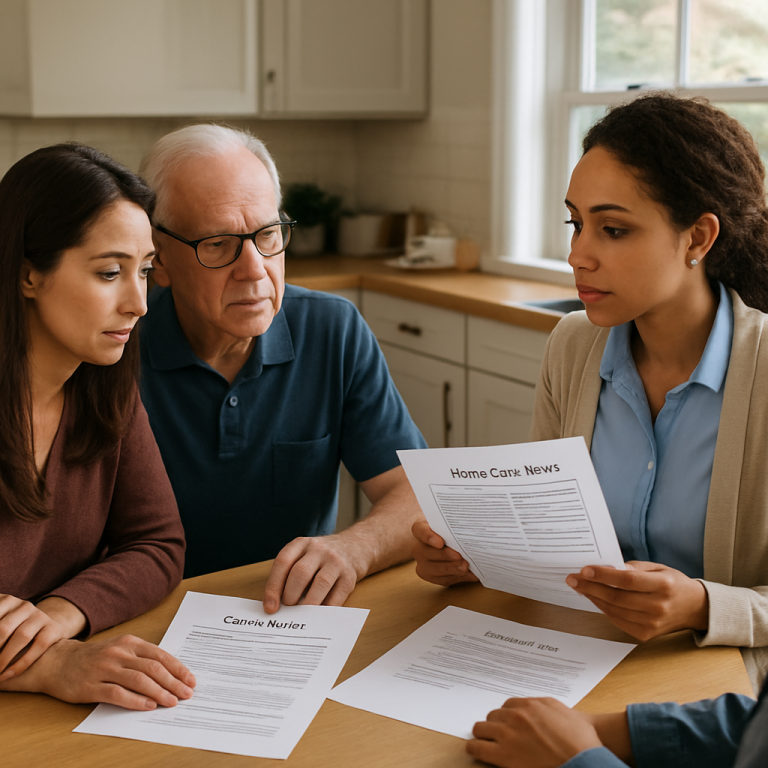
What many families misunderstand: eligibility decisions respond to demonstrated need, not to polite requests. Saying I want social time is weaker than documenting missed appointments, weight loss, or withdrawal from activities. Assessors respond to measurable functional deficits and clear social risk indicators.
Document the problem you want the funding to solve. Concrete examples of missed meds, cancelled appointments, or falls will get you farther than general statements about loneliness.
Next consideration: before you accept funding terms, get the approved budget and allowable services in writing, confirm which providers are eligible under the plan, and decide whether you will need a stable private top up to preserve caregiver continuity and social outcomes.
How to choose a home help provider: checklist and interview questions
Start with outcomes, not just rates. Families focus on hourly price and ignore the operational details that determine whether care is reliable, clinically safe, and socially effective. Ask for concrete commitments in writing and compare providers on those commitments rather than on sticker price alone.
Provider checklist: operational and clinical must-haves
- Clinical oversight: Who is your supervising clinician, how often do they visit clients in person, and will they take phone escalation calls? Get frequency in writing.
- Staff status and screening: Are caregivers employees or contractors; do you perform criminal record checks, vulnerable sector checks, and reference verification?
- Training and specialization: Do staff receive dementia training, palliative care orientation, and mandatory infection-control updates?
- Continuity and scheduling: What percentage of visits use the same caregiver, and what is your policy for substitutes or last-minute cancellations?
- Care planning and documentation: Will you provide a written care plan, share visit notes with family, and update the plan after clinical reviews?
- Emergency procedures: Who responds after hours, what is the escalation chain, and how quickly will family be notified?
- Funding and invoicing: Can the agency invoice Passport funding or Home and Community Care programs and supply the documentation assessors require? See Cedar Home Health Care Passport assistance at Passport funding.
- Insurance and liability: Confirm liability insurance, worker compensation coverage, and whether the agency carries commercial auto insurance for escorted outings.
- Turnover metrics: Ask for recent staff turnover rates and average caregiver tenure; high turnover correlates with poorer social outcomes.
- Trial period: Is a short trial or overlap shift available so a family can evaluate fit before committing?
Interview questions worth asking — and why they matter
- How do you handle clinical changes between scheduled RN visits? Practical reason: some agencies say RN oversight exists but only as administrative support; you want direct clinician access.
- Can you provide two client references for a similar level of need? Practical reason: references reveal punctuality, communication, and whether promised continuity actually happens.
- What happens when my regular caregiver is sick? Practical reason: substitutes are inevitable; insist on same-day replacements and a minimum familiarization handover.
- Do you support family-managed care and private top ups? Practical reason: many subsidized plans limit providers; you may need a formal top up to retain the same caregiver.
- How do you measure outcomes like missed meds, falls, or missed appointments? Practical reason: agencies that track outcomes will proactively prevent escalation rather than react to crises.
- What is your policy for dementia-related behaviours? Practical reason: poor handling of behaviours is a common failure mode that increases risk and isolation.
Trade-off to accept: Choosing the cheapest provider often means higher staff turnover or use of subcontractors. That saves money short-term but undermines continuity, which is the single biggest driver of reduced isolation and better rehab outcomes. If continuity matters, budget for a private top up or a provider with proven low turnover.
Real-world example: A family needed at-home support after a hospital discharge. They prioritized an agency that guaranteed an RN visit within 24 hours, provided a two-week overlapping caregiver trial, and produced daily visit logs shared with the surgeon. The early RN visit caught a medication reconciliation error; the continuity of the same PSW made the client comfortable accepting escorted outings and weekly community lunch programs again.
Ask for three written items before you sign: the care plan, scheduled RN visit frequency, and the substitute-care policy. If a provider hesitates, consider that a red flag.
Final judgment: Treat hiring a provider like hiring a small clinical team. Hourly rates are an input; stability, clinical accountability, and clear documentation determine whether services actually reduce isolation and keep someone safe at home.
Technology and community programs that amplify home help services
Straight fact: technology and community programs can extend the reach of home help for seniors but they rarely replace the core value of in-person contact. Properly used, devices and local groups reduce risk, free caregiver time, and create more opportunities for meaningful visits — misused, they create noise, false reassurance, and new tasks for families.
Practical tech that works in real homes
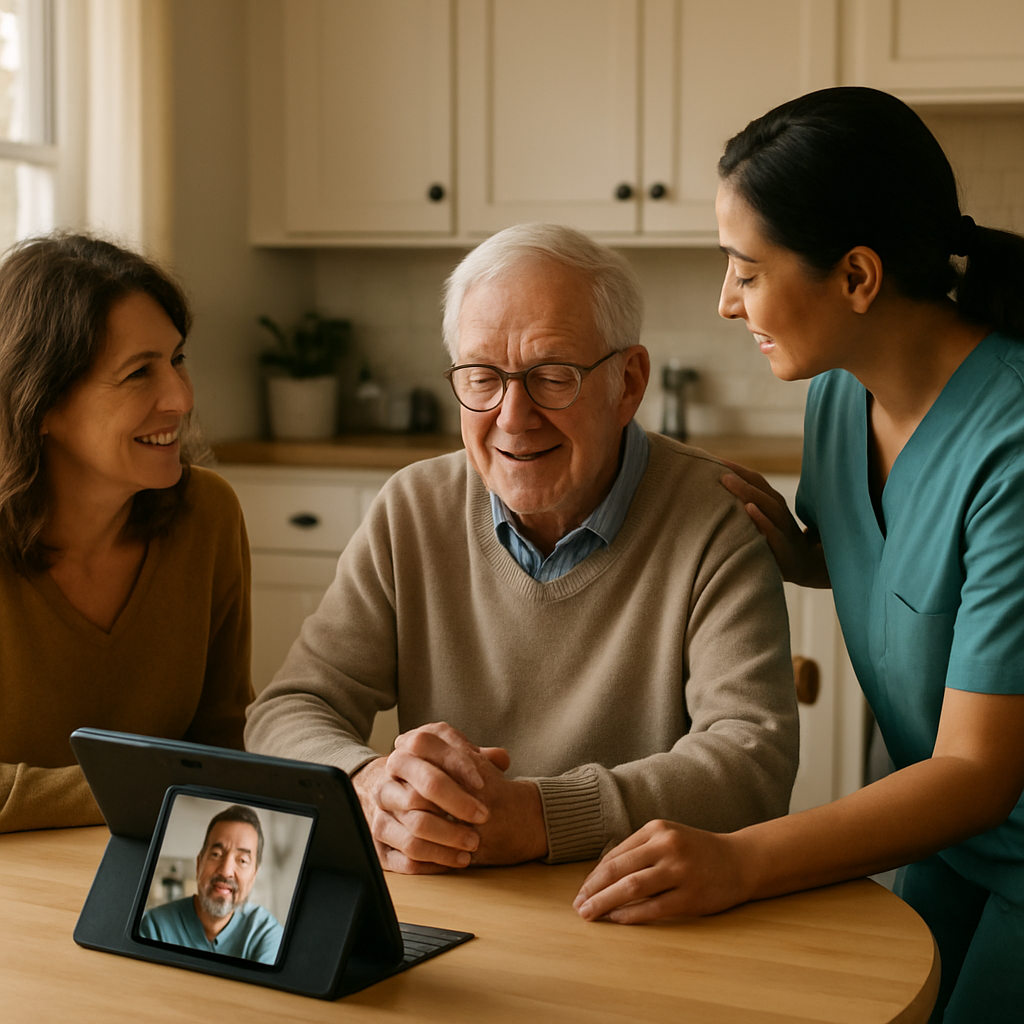
Useful categories: phone and video check-ins (Zoom, FaceTime), telehealth nurse visits, personal emergency response systems (Philips Lifeline-style), automated medication dispensers, and passive sensors (motion, door, bed) that detect departures or inactivity. Each category answers a specific risk: medication adherence, acute-event detection, social contact, or clinical follow-up.
Important trade-off: monitoring increases visibility but also increases false alarms and privacy concerns. Devices without a staffed response simply shift the burden to family. The practical rule is staged adoption: start with human-centered tech (scheduled video calls, phone reassurance) before installing always-on sensors or remote monitoring that require 24/7 response.
- How community programs extend in-home care: Seniors Centre Without Walls provides structured phone-based group sessions that complement paid companionship and reduce isolation; Meals on Wheels adds a social touch to nutrition; local volunteer driver programs and faith-based outreach restore access to activities and appointments.
- Integration tip: match tech with existing programs — use a telehealth appointment to keep medical follow-ups on track, then pair that with escorted transport to a community lunch so the senior gets both clinical continuity and social exposure.
Use case: An older man with memory loss had an automatic dispenser and twice-weekly escorted outings to a neighbourhood seniors choir. The dispenser cut missed doses, while the escorted outings drove social re-engagement. Cedar Home Health Care coordinated the initial setup, trained the family on device alerts, and scheduled a companion to meet the senior after any missed-dose notification.
Judgment that matters: agencies often market monitoring as a labour substitute. In practice, sensors should be used to trigger targeted human responses — an RN check, a companion visit, or a ride to a program — not as a replacement for predictable, relationship-building visits. If continuity of caregiver matters for reducing isolation, budget for regular in-person contact even when technology is in place.
Next consideration: plan a staged tech rollout that includes training sessions, a named responder for device alerts, and at least one recurring companion visit tied to a community program so technology amplifies rather than replaces human care.
Frequently Asked Questions
Practical point: Families need crisp answers, not theory. The following FAQs resolve common decisions about scope, safety, funding, and how to preserve social connection when arranging home help for seniors.
What is usually included and who sets the hours: Home help for seniors commonly combines personal care (bathing, transfers), non-medical home care like homemaker tasks and meal prep, senior companion services, and scheduled nursing or therapy visits. A formal needs assessment — either through your regional Home and Community Care Support Services or a provider assessment — should produce a recommended hours plan. Expect that plan to change: reassess after discharge, medication changes, or a decline in mobility.
Will public programs pay for companionship or homemaker tasks: Coverage varies by program and region. Passport funding and provincial home and community care programs may subsidize social and homemaker supports in specific circumstances; eligibility and allowable uses differ. See Passport funding and regional Home and Community Care info at Home and Community Care. A common tradeoff is budget versus continuity: funded plans often limit provider choice, so families pay a private top up when consistent caregivers matter more than lowest cost.
How can I verify caregiver reliability and safety: Ask for written proof of background checks, training records, and the agency policy on staff continuity. Request two recent references for similar care levels and insist on a short overlap or trial shift so the senior and caregiver can establish rapport. Agencies that track turnover and present those metrics are more likely to deliver consistent companionship, which is the single biggest operational driver of reduced isolation.
Escalation and clinical oversight — what to confirm: If a provider lists RN supervision, get the frequency of in-person RN visits and the after-hours escalation chain in writing. Verify whether escalation routes include direct physician contact or only agency management. This detail determines whether clinical flags become timely interventions or delayed administrative notes.
Concrete example: A family secured a Passport-approved budget for homemaker hours but the regional rules limited provider choice. They negotiated a modest private top up to hire the same companion for weekly escorted outings and arranged a two-week overlap so the new caregiver shadowed the outgoing one. Result: the senior resumed a weekly choir and missed fewer medical appointments, while the RN reported improved wound healing adherence.
- Immediate actions: Book a provider trial shift and get the trial terms in writing.
- Funding step: Assemble recent medical notes and examples of missed appointments or functional decline before applying for Passport or regional subsidies.
- Safety check: Obtain criminal record and vulnerable sector check confirmations and two client references before the first full-paid visit.