My Mother Stopped Leaving Her Room — How Companionship Care Changed Everything
When my mother stopped leaving her room, it felt like a slow emergency none of us knew how to name. Companionship care seniors ontario showed us a different pathway: regular, non medical visits focused on conversation, activity and practical support that reversed isolation and improved mood and function. This case study walks through what changed, how families in Ontario can access and fund companionship services, and a simple checklist to use when interviewing providers.
1. The Turning Point: When Mom Stopped Leaving Her Room
Observation: For six weeks she stopped coming to the kitchen at all. Meals left on the table, voicemail full, one cancelled appointment after another. That pattern – withdrawal plus missed routines – is the single clearest sign families should treat as urgent rather than inevitable.
What the family actually saw
Concrete timeline: Week 1: skipped a social lunch. Week 2: missed a specialist appointment. Week 3: door closed, lights off most days. Week 4 to 6: decreased grooming and weight loss. These are behavioural markers, not personality quirks.
- Practical signs: missed medication refills, unopened mail, and less response to phone calls
- Daily living cues: unchanged pajamas for days, no light in living areas, less interest in favourite activities
- Safety flags: new odours from the kitchen or bathroom, unwashed dishes piling up, and difficulty answering the door
Important tradeoff to recognise: acting quickly reduces physical and psychological risk, but rushing to full clinical intervention can strip a person of autonomy. The right first move often sits between the two – simple, non-medical support to re-establish routine while arranging a proper assessment.
First practical steps the family took: they called the family physician to request a same-week home visit, asked a neighbour to check in daily, and arranged short visits with a companion to sit during meals and encourage hygiene. For families in Ontario, a Home and Community Care assessment is the formal route to funded services – see Home Care Services for what to expect, and consult When to Hire a Home Nurse for guidance on clinical escalation.
Concrete example: In our case study the daughter arranged three 45-minute companion visits in the first week: one during breakfast, one at mid-afternoon to sit and play a short radio programme, and one in the evening to help with a bedtime routine. Within ten days the mother was sitting in the living room for local news and agreed to a short outing to the pharmacy – small, measurable steps that lowered immediate risk and created openings for clinical follow-up.
What families commonly misunderstand: many assume withdrawal is a private emotional phase or just part of ageing. In practice, social withdrawal is frequently driven by fixable problems – untreated pain, medication side effects, hearing loss, grief, or mobility issues – and companionship interventions can reveal the cause faster than waiting for a crisis.
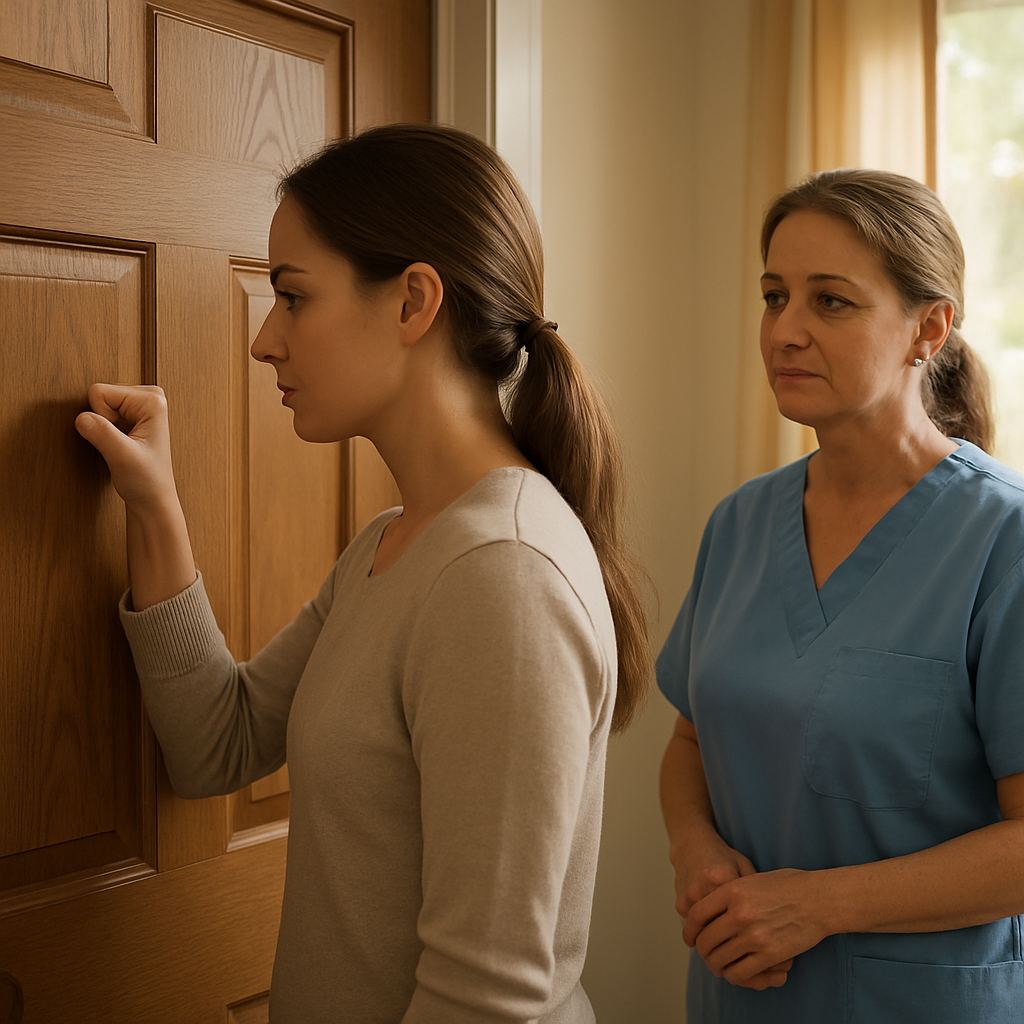
Next consideration: document what changed and when, note concrete behaviours you can describe to clinicians, and treat companionship care as the immediate stabilizer – not a permanent substitute for medical evaluation or rehabilitation.
2. What Companionship Care Means in Ontario and How It Differs from Clinical Home Care
Companionship care for seniors Ontario is non medical, relationship centered support designed to restore routine, reduce isolation, and keep a person engaged with life in their home. This service focuses on social needs and functional support rather than clinical treatment.
What companion workers do, and what they do not do
Typical tasks: friendly conversation, activity facilitation like music or simple crafts, accompaniment to appointments, escorted walks, light household help such as making tea and tidying common areas, and prompting for meals or medication reminders.** These activities are the core of senior companionship services Ontario.
Clear limits: companion workers do not perform clinical tasks such as medication administration, wound care, catheter care, injections, or complex transfers. Those duties belong to Registered Nurses, Registered Practical Nurses, or Personal Support Workers when delegated within scope. See What a Home Health Care Provider Does and When to Hire a Home Nurse for role comparisons and hiring guidance.
Practical trade offs that matter
Trade off – relationship versus regulation: companion services allow for deeper social connection because they are not tied to clinical task checklists, but that freedom means less regulated oversight compared with nursing visits. Families should expect strong communication from the provider and a plan to escalate clinical issues to a nurse or physician when they arise.
Trade off – speed of start versus scope of care: privately hired companionship can begin within days, which matters when isolation is acute, while public home care routes require assessment through Home and Community Care Support Services and may take longer. For details on public assessments consult Home Care Services.
Concrete example: A retired teacher who stopped attending a weekly bridge group began twice daily 30 minute visits with a companion worker who used photos and local newspaper stories to spark conversation, escorted one weekly outing to a library program, and coordinated with a PSW for bathing once per week. Within three weeks the senior resumed a community class and reported better sleep and appetite to family.
Judgment that matters: many families assume personal support work and companion services are interchangeable. In practice that mistake creates mismatched expectations and wasted visits. If the goal is to rebuild social routine and motivation, prioritize companion experience with engagement and scheduling flexibility. If the senior requires hands on personal care or clinical monitoring, plan for a combined model with PSW or nursing oversight.
- Quick due diligence: ask providers about dementia training, language and cultural match, criminal reference checks, and how they report concerns to nurses or family
- Measure impact: set 2 to 4 short measurable goals – outings per week, meals attended, personal grooming instances – and review after two weeks
- Coordination plan: insist on a named clinical contact for escalation and a schedule for brief daily notes or calls
3. Why Seniors Withdraw: Common Drivers and How to Assess Them
Straight fact: withdrawal is a symptom, not a personality flaw.** When a senior stops leaving their room it usually reflects an interaction of medical, social and environmental causes — and each requires a different response.
Common drivers you should look for
- Mood and grief: clinical depression or unresolved bereavement commonly present as reduced appetite, sleep changes, and avoidance of social contact.
- Early cognitive change: new withdrawal can be an early sign of dementia; routine and familiar social cues decline first.
- Pain and mobility loss: people avoid leaving rooms when walking or dressing causes pain; what looks like reluctance is often fear of falling.
- Sensory impairment: untreated hearing or vision loss makes conversation tiring and outings frustrating.
- Medication side effects: sedatives, opioids, and some anticholinergics blunt motivation — medication review matters.
- Loss of routine or purpose: retirement, moved home, or closure of a favourite program removes the scaffolding that keeps someone engaged.
- Environmental barriers: cluttered or unsafe common areas, poor lighting, or no accessible seating can make leaving a room physically difficult.
Key judgment: do not treat social withdrawal as purely social.** In practice, families who assume loneliness alone will miss reversible medical contributors — pain, infection, medication change — that require clinical attention or an RN review through Home and Community Care Support Services (Ontario Home Care Services).
A practical at-home assessment checklist
- Daily pattern: note sleep times, daytime napping, and changes in waking hours over two weeks.
- Nutrition and weight: record missed meals, appetite changes, and a rough weight check if possible.
- Personal care: frequency of bathing, grooming, clean clothing, and denture/hearing-aid use.
- Appointments and engagement: track missed appointments and responses to invitations to leave the room.
- Mobility and falls: any recent stumbles, fear of stairs, or slower walking speed.
- Medication review prompt: list new or changed medications in the past month and flag sedatives or opioids.
- Home safety scan: lighting, trip hazards, seating, and access to bathroom from the bedroom.
- Mood and content: short daily notes on mood, meaningful conversation length, and interest in hobbies.
Practical trade-off: pushing social activities too quickly can backfire, especially with cognitive impairment.** Start with low-demand, familiar interactions — music, looking at photos, a short seated walk — and escalate gradually while monitoring stress and agitation.
Concrete example: A Toronto family noticed Mom stopped leaving her room after a fall. A companion from a private agency began daily 30-minute visits to sit, share tea, and read aloud; the companion escorted her to one medical appointment and timed bathroom trips. Within three weeks the daughter reported Mom accepting a 10-minute hallway walk and joining a weekly lunch — a small sequence of wins that allowed the primary care physician to complete a medication review and the Home and Community Care assessment.
If you suspect medical causes, pause social interventions and get a clinical check. Companionship care seniors ontario is effective when paired with appropriate clinical oversight.
Next consideration: use the checklist data to decide whether to request a nursing review, start private companion visits, or apply for an assessment through local Home and Community Care — each path has different timelines and impacts on safety and quality of life.
4. The Interventions That Changed Things: How Companionship Care Helped
Direct action produced predictable change. In this case study the turning point was not a single medical intervention but a sequence of low‑risk, high‑consistency social and practical supports that interrupted the loop of withdrawal, poor nutrition, and missed appointments.
Daily interventions that made a measurable difference
- Scheduled visits at the same time each day: created a predictable rhythm that reduced anxiety and coaxed Mom out of the bedroom.
- Shared activities tied to her history: short music sessions, sorting family photos, and a 10 minute garden walk provided meaning rather than empty company.
- Accompanied errands and appointments: the companion attended one medical visit per week and stayed for the first 15 minutes after the appointment to ensure follow through and reduce avoidance.
- Meal companionship and light meal prep: the companion sat with Mom for breakfast and encouraged small, frequent meals which stopped the downward weight trend.
- Medication prompts with RN coordination: companions provided reminders and documented missed doses, triggering an RN medication review when patterns appeared concerning. See guidance on when clinical escalation is needed in When to Hire a Home Nurse.
- Household cues and environment work: companions tidied common areas, opened curtains, and made tea to change the sensory cues that kept Mom in the bedroom.
Practical insight: these are not psychotherapy sessions. The effective interventions were persistent, short, and practical – 20 to 60 minute blocks focused on routine, not long conversations. In practice, families expect rapid emotional breakthroughs; they should instead measure small behaviour changes over 2 to 8 weeks.
Tradeoff and limitation: companionship is non‑medical by design. It can substantially improve mood, appetite, medication adherence, and social contact, but it cannot replace clinical treatment for major depression or address complex wandering behaviour in advanced dementia. Companion work needs active coordination with clinical providers; see how care roles differ in What a Home Health Care Provider Does.
Concrete example: A companion arrived at 9:00 a.m. daily for two weeks. She spent 15 minutes at the bedside, helped with a light breakfast, and then led a 20 minute photo sorting activity. By week three Mom joined the family at lunch twice, weight stabilized, and she kept two medical appointments she had previously avoided. The companion logged each visit and alerted the RN after three missed medications, which prompted a medication review and simplified dosing.
Meaningful measure: count days out of the bedroom each week and track missed appointments – these are the clearest short term signals that companionship is working. Small behavioural gains predict larger functional recovery if sustained.
Judgment you need to accept: companionship care delivers most when personality match, schedule consistency, and modest measurable goals are prioritized over flashy programming. Too often families hire sporadic visits or one‑off activities and then deem the approach ineffective. Consistency is the active ingredient.
Next consideration: plan a short trial with defined goals, insist on daily visit notes, and require a communication loop to a nurse or physician for anything beyond routine social support. If you need help structuring that trial or navigating assessment pathways in Ontario, begin with a Home and Community Care Support Services assessment or contact a caregiver navigation service to shorten wait times – public guidance is at Ontario Home Care Services.

5. Navigating Funding and Access in Ontario: Assessments, Public Programs, and Passport Support
Three practical routes exist for accessing companionship care in Ontario: a Home and Community Care assessment, private pay, or targeted supports like Passport — and each behaves differently in practice. Public assessments prioritize clinical needs; companionship alone rarely appears as a funded line item unless it ties directly to safety, nutrition, medication adherence, or a diagnosed condition.
How Home and Community Care assessments work — and their limits
What the assessment covers. The local Home and Community Care Support Services assessor evaluates function, safety, recent hospital use, and caregiver capacity to allocate services like personal support and nursing. See the official guidance at Home and Community Care Services.
Limitations that matter. Public funding is finite. Assessors will fund essential personal care and clinical supports first; non-medical companionship is often considered non-essential unless tied to clear safety or health risks. That means families frequently need a mixed model — some publicly funded nursing or PSW hours plus privately paid companion visits to rebuild social engagement.
Practical steps, documents and realistic timelines
- Request an assessment: Call your local Home and Community Care Support Services or ask the primary care clinic to refer. Expect scheduling within days to a couple of weeks, but service start can take 2–6 weeks.
- Bring practical documentation: recent discharge summaries, medication list, family contact, and a short account of changes in behaviour or isolation — this makes the social risk visible during the assessment.
- Ask specifics during intake: ask whether companionship or wellness visits can be included, whether PSW hours can be redirected briefly to social support, and what appeal or reassessment process exists.
- Parallel private plan: arrange short-term private companionship (even a few visits per week) while public options are sorted — private services can start within days and prevent deterioration during wait times.
Trade-off to consider. Relying solely on public funding reduces out-of-pocket cost but increases wait and limits choice of caregiver. Paying privately buys speed, personality match, and scheduling flexibility — but costs add up. Many families find the sensible middle ground is a public assessment plus targeted private companion visits until a stable public package is in place.
Passport funding: what it is and what it is not. Passport is a provincial program that helps eligible adults with developmental disabilities access community supports. It is not a general source for senior companionship. If your loved one is eligible, Passport can fund meaningful community and in-home supports; otherwise, Passport will not be available and families should focus on Home and Community Care, Veterans Affairs, or private pay.
How Cedar can help with navigation. Agencies like Cedar Home Health Care services page can assist with the assessment intake, documentation, and with Passport applications when eligibility exists. This is practical help, not a shortcut: it reduces repeated phone calls, ensures the assessor sees the social risks, and speeds up appropriate referrals.
Concrete example: A family in Toronto requested an assessment after noticing a parent stopped leaving the bedroom. The assessor approved limited PSW hours for essential care but declined companion-only visits. The family hired private companion visits three times a week while Cedar compiled medical notes and a social risk letter; six weeks later the reassessment added a few additional community support hours tied to nutrition and fall risk, reducing private hours needed.
Key point: Documenting health consequences of isolation (weight loss, missed meds, fall risk) converts social needs into fundable safety issues during assessment.
Next consideration: Start a short private companion trial while you request assessment and collect documentation. That buys time, reveals what works, and gives you measurable goals to present to assessors — a simple, effective tactic families overlook.
6. How to Choose a Companionship Care Provider: A Family Checklist
Start like an experiment: treat the first engagement as a 2 week, goal driven trial with clear tasks, communication expectations, and exit points. This turns vague hope into measurable steps and protects the senior from long term mismatches.
Practical interview questions to use immediately
- Availability and continuity: What days and times can you reliably provide visits, and what happens if the regular companion is sick?
- Experience and fit: How much experience do you have with dementia, anxiety, or late life grief and can you give a recent example?
- Planned activities: Give two concrete examples of activities you would use in the first week to engage my parent.
- Language and culture: Are you fluent in the language my parent prefers, and are you comfortable with our cultural routines?
- Safety and escalation: What would you do if my parent becomes confused, refuses food, or reports new pain?
- Checks and coverage: Do you have a current criminal record check, liability insurance, and references we can call?
- Documentation and communication: Will you provide daily notes or quick calls, and how do you prefer to share them?
Key administrative checks matter as much as personality. Agencies will usually handle background checks, training records, and liability coverage; independent companions may match faster or cost less but require you to verify those items yourself.
Designing a 2 week trial and what to measure
Trial structure: agree a start date, three specific goals, and a minimum visit cadence. Typical goals: one escorted outing, three shared meals, and at least one 30 minute structured activity every other day. Set a review at day 7 and day 14.
- Baseline measures: record current number of days out of bedroom, appetite (small/medium/large), and one-line mood rating each day.
- Daily record: companion provides a short note: who they saw, what activity, appetite, and any safety concerns.
- Family check-ins: designate one family member to call the companion twice during the trial and hold two short video or in person check-ins with the senior.
Trade-offs you must accept. Private pay companions get started faster and can be better cultural matches, but agencies bring accountability, training, and insurance. If the senior has complex medical needs or wandering risk you should prioritize agency or agency-coordinated care and coordinate with an RN through Home and Community Care Support Services Home and Community Care Services.
Monitoring for early warning signs. If the companion reports new falls, rapid cognitive decline, suicidal comments, or persistent refusal to eat you must escalate to the primary care provider or emergency services immediately. Companionship is not a substitute for clinical assessment.
Concrete Example: A family in Toronto agreed a two week trial with three 90 minute weekday visits. Goals were one escorted walk per week, daily breakfast companionship, and weekly medication reminder checks. The companion delivered daily notes, and on day 5 she flagged a change in sleep patterns; the family booked a primary care visit which led to a medication adjustment and improved engagement.
Takeaway: hire with goals, measure outcomes during a short trial, and choose between speed and accountability based on the seniors clinical and safety risk.
7. Cedar Home Health Care Case Example and How Cedar Supports Families
In this case the family called Cedar after three weeks of withdrawal — and the first priority was stopping decline, not delivering a polished program. Cedar performed a rapid intake, arranged a medication review with an RN, and matched a companionship caregiver whose interests aligned with the mother. The result was measurable change within two to four weeks: more breakfasts at the kitchen table, two escorted appointments kept, and the bedroom door opened most afternoons.
Cedar's care pathway in practice
- Immediate intake and risk check: Cedar documents mobility, cognition, medications, recent falls, and whether there are urgent clinical flags to escalate to a nurse or primary care. See What a Home Health Agency Does.
- Personality and activity matching: The agency asks about life history, favourite activities, language and cultural needs to match a companion, not just availability — a small delay up front avoids poor fits that undo progress.
- Nursing coordination: An RN completed a medication reconciliation and flagged two sedating prescriptions for review with the family doctor. Cedar schedules RN check‑ins while the companion handles daily social engagement.
- Passport and funding navigation: Cedar assisted the family in preparing documentation and submitted initial Passport guidance while the family pursued a Home and Community Care assessment. This bridged service gaps so companionship could start sooner.
- Structured monitoring: Daily visit notes, a weekly telephone update to the family, and a 2‑week goal review with measurable targets (outings, meals, mood observations).
Concrete example: Mrs. L, an 82‑year‑old living alone, refused meals and stopped attending church after her husband died. Cedar matched her with a companion who shared her language and music interests. Within three weeks she attended two small social outings, regained appetite, and the family reported more conversational engagement during visits.
Trade‑offs and limitations: Companionship is not a substitute for therapy or urgent medical treatment. If medication changes, new cognitive decline, suicidal thoughts, or repeated falls appear, clinical escalation is required. Cedar will pause companionship and escalate to RN/physician when clinical needs exceed non‑medical support.
| Timeframe | What Cedar does | Family visible outcome |
|---|---|---|
| Day 0–3 | Rapid intake, matching, emergency risk check | Companion introduced; safety issues flagged |
| Week 1 | Daily companionship visits; RN medication review | More mealtimes shared; fewer missed meds |
| Weeks 2–4 | Goal review; escorted appointments and structured activities | Increased time out of bedroom; improved mood reports |
| 30–90 days | Transition planning: Passport navigation, possible PSW or nursing added | Sustained social engagement; reduced crisis admissions |
Practical judgement: Invest up front in matching and a clear 2‑week measurement plan. A perfect personality match takes time but prevents churn; quick matches often lead to turnover and lost progress.
Next consideration: If you decide to contact Cedar, have a recent medication list, the primary care physician contact, and two short goals ready (for example, attend a medical appointment and eat three breakfasts at the table each week). Ask about RN oversight during the intake and whether the agency will assist with Passport navigation during the Home and Community Care assessment.