Introduction
As the population ages, a growing number of seniors are seeking ways to maintain their independence while receiving the necessary care. In-home healthcare has emerged as a valuable solution that offers personalized assistance in a familiar environment. This article explores the myriad benefits of in-home healthcare for seniors, emphasizing its impact on quality of life, cost-effectiveness, and the support it offers both seniors and their families.
Improved Quality of Life
Personalized Care Plans
One of the standout benefits of in-home healthcare is the ability to create personalized care plans tailored to individual needs. These plans are developed by healthcare professionals in conjunction with the senior and their family, ensuring that every aspect of care is considered, from medical needs to personal preferences. For example, if a senior has specific dietary restrictions or requires assistance with mobility, these factors are incorporated into their care plan to promote overall well-being.
Personalized care also allows for flexibility. Unlike standard facility care, in-home healthcare can adapt to changing needs, whether it’s increasing the level of care as health conditions evolve or adjusting schedules based on the senior’s routines and preferences. This level of customization can significantly enhance a senior’s quality of life.
Maintaining Independence at Home
Many seniors express a desire to remain in their own homes as long as possible. In-home healthcare provides the necessary support to achieve this goal. With trained caregivers assisting with daily tasks such as bathing, dressing, and meal preparation, seniors can maintain a higher level of independence. This not only boosts their self-esteem but also empowers them to engage in familiar activities and hobbies.
Moreover, staying at home can prevent the feelings of isolation and depression that sometimes accompany a move to a care facility. Familiar surroundings contribute to a sense of stability and comfort, helping seniors to thrive emotionally and mentally.
Enhanced Emotional Well-Being
Emotional well-being is a crucial component of overall health, especially for seniors. In-home healthcare allows for social interaction with caregivers, which can alleviate loneliness and provide companionship. Caregivers often take the time to converse, engage in activities, and develop meaningful relationships with the seniors in their care. This interaction is vital for mental health and can help reduce the onset of depression and anxiety.
Additionally, in-home care often involves assistance with social activities, whether it’s setting up visits from family and friends or helping seniors engage with community resources. This connectivity enhances their support network and improves their overall quality of life.
Cost-Effectiveness of Home Healthcare
Comparative Costs of In-Home vs. Facility Care
One of the most significant considerations for families when choosing care options for seniors is cost. In-home healthcare is often more affordable than traditional nursing homes or assisted living facilities. The average cost of nursing home care can be prohibitive, while in-home services can be tailored to fit a budget, with options for hourly care or full-time assistance based on need.
Furthermore, many families find that the overall expenses associated with in-home care—such as transportation and additional medical costs—are often lower than the comprehensive fees required for institutional care. This cost effectiveness makes in-home healthcare an appealing option for many families, allowing them to provide quality care without breaking the bank.
Insurance Coverage for Home Health Care
Another financial aspect to consider is how insurance covers in-home healthcare services. Many seniors may not be aware that Medicare and Medicaid offer coverage for certain in-home health services, including skilled nursing care and therapy. This coverage can significantly reduce out-of-pocket expenses, making in-home care even more accessible.
Moreover, various private insurance plans may offer additional coverage for home healthcare services. Families are encouraged to explore their insurance options and speak with providers to understand the benefits available, ensuring that they maximize their resources.
Access to Professional Healthcare Services
Skilled Nursing Services
In-home healthcare encompasses a vast array of professional services, including skilled nursing care. Registered nurses can provide medical assessments, administer medications, manage chronic illnesses, and even offer wound care or post-operative support—all in the comfort of the senior’s home. This not only ensures that patients receive high-quality care but also allows them to remain in a familiar and comforting environment.
Additionally, nurses can educate seniors and their families about managing health conditions, helping them to make informed decisions regarding their healthcare. This professional guidance is crucial for those dealing with complex medical issues, ensuring that they adhere to treatment plans and understand their medications.
Physical and Occupational Therapy at Home
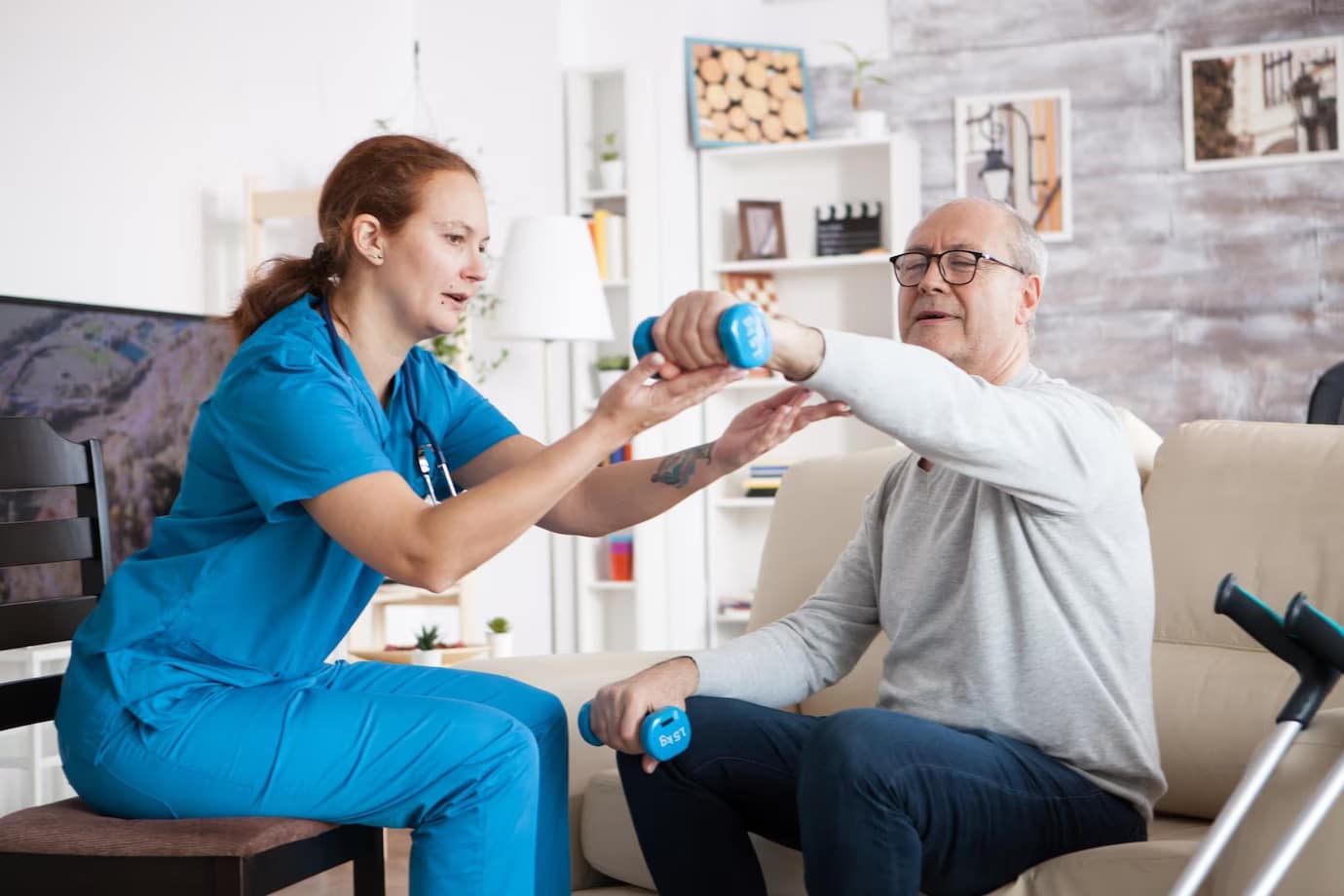
Another vital aspect of in-home healthcare is the availability of physical and occupational therapy services. For seniors recovering from surgery or injury, therapists can provide personalized rehabilitation plans that focus on mobility, strength, and daily functioning. These therapies are more effective in a home setting, where seniors can practice movements in a real-world environment.
The convenience of receiving therapy at home eliminates the need for travel, which can be challenging for many seniors. This ease of access encourages higher participation rates in therapy sessions, leading to better health outcomes and quicker recovery times.
Support for Family Caregivers
Relieving Caregiver Stress
Family members often take on the role of caregivers for seniors, which can be incredibly rewarding but also burdensome. The physical and emotional demands of caregiving can lead to stress, burnout, and even health issues for the caregiver. In-home healthcare provides essential support, allowing family members to share responsibilities with professional caregivers.
This shared approach not only alleviates some of the pressure on family caregivers but also enhances the quality of care that seniors receive. Caregivers can manage their time better, ensuring they have the capacity to support their loved ones without sacrificing their own well-being.
Resources for Family Support
In addition to direct care support, in-home healthcare often provides resources and training for family caregivers. Many agencies offer workshops, informational sessions, and one-on-one consultations to educate family members on how to care for their loved ones effectively. This knowledge empowers families to provide better support and understand the challenges their loved ones face.
Moreover, having a trained professional involved means that family caregivers can take necessary breaks, knowing their loved ones are in capable hands. This balance is essential for long-term sustainability in caregiving roles and ensures that both seniors and caregivers can maintain their health and happiness.
Case Studies and Testimonials
Success Stories from Seniors
Real-life examples highlight the transformative impact of in-home healthcare on seniors’ lives. Many seniors have reported significant improvements in their daily lives after receiving in-home care. For instance, one woman shared her experience of regaining independence through personalized assistance that allowed her to continue her favorite activities, such as gardening and attending church services.
Another senior described how having a caregiver to assist with mobility not only improved his physical health but also lifted his spirits. These stories reflect the profound difference that in-home healthcare can make, proving that it is possible for seniors to age gracefully and comfortably in their own homes.
Feedback from Family Members
Family members also report positive experiences with in-home healthcare. Many express relief and gratitude for the professional support that allows them to ensure their loved ones receive the best possible care. Testimonials often highlight how in-home caregivers have transformed the lives of their seniors, providing not just medical assistance but also companionship and emotional support.
Families frequently note that the ability to engage professionals who understand the unique needs of seniors has eased their worries and allowed them to focus on quality time with their loved ones rather than the logistics of care. This peace of mind is invaluable and speaks to the effectiveness of in-home healthcare.
Conclusion
In-home healthcare stands out as a vital resource for seniors seeking to maintain their independence, improve their quality of life, and receive professional care without the need to relocate to a facility. The personalized nature of care plans, combined with the emotional support and professional services available, creates a holistic approach to senior health that benefits both seniors and their families.
As we move forward, it’s essential to recognize the advantages of in-home healthcare and the positive impact it can have on aging individuals. By considering this option, families can ensure that their loved ones receive the care they deserve in a compassionate and dignified manner.
FAQs
What types of services are included in in-home healthcare?
In-home healthcare can include a variety of services such as skilled nursing care, physical and occupational therapy, personal care assistance, companionship, and medication management. The specific services offered can be tailored to meet the unique needs of each individual.
Is in-home healthcare covered by insurance?
Many insurance plans, including Medicare and Medicaid, may cover certain in-home healthcare services. It is important for families to review their specific policy details to understand the coverage options available to them.
How do I choose an in-home healthcare provider?
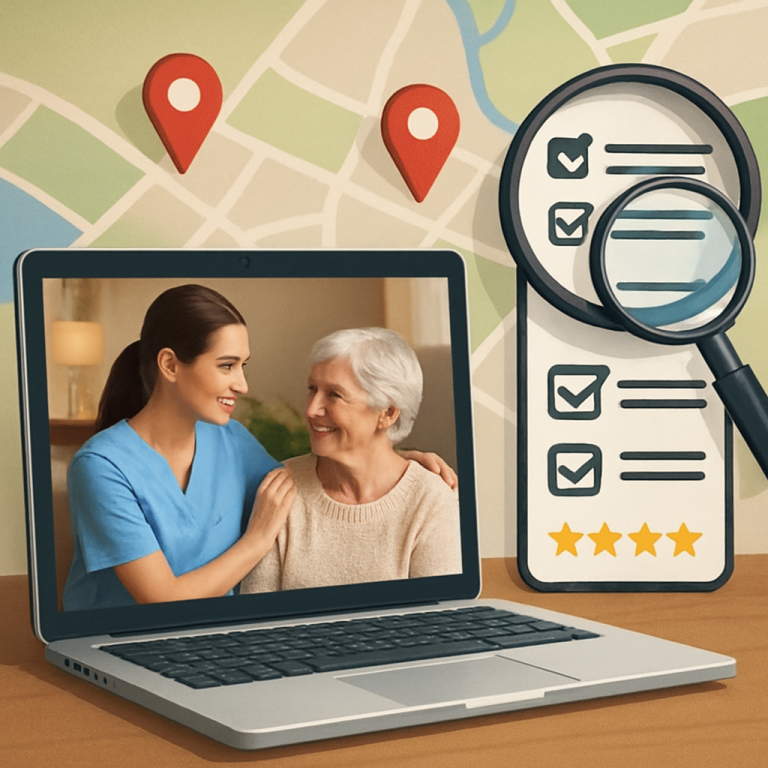
When selecting an in-home healthcare provider, consider factors such as the agency’s reputation, the qualifications of the staff, and the range of services offered. Additionally, reading reviews and seeking recommendations can help in making an informed decision.
Can in-home healthcare help seniors with chronic conditions?
Yes, in-home healthcare is particularly beneficial for seniors with chronic conditions as it provides ongoing support and management of their health needs. Professionals can help with medication management, regular assessments, and coordinating with other healthcare providers.
How can in-home healthcare improve the emotional well-being of seniors?
In-home healthcare offers companionship and social interaction, which are vital for emotional well-being. Caregivers often engage seniors in conversation and activities that can elevate their mood and reduce feelings of loneliness.
Visit Cedar Home Healthcare for More Information
For further assistance in selecting quality home healthcare services, consider exploring Cedar Home Healthcare. They offer a wide range of services tailored to individual needs and can help guide you through the process of finding the right care. Visit cedarhomehealthcare.com for more information.
Additional Resources
In Toronto, various organizations and websites provide additional resources that can assist families in navigating home healthcare. Here are some useful links: