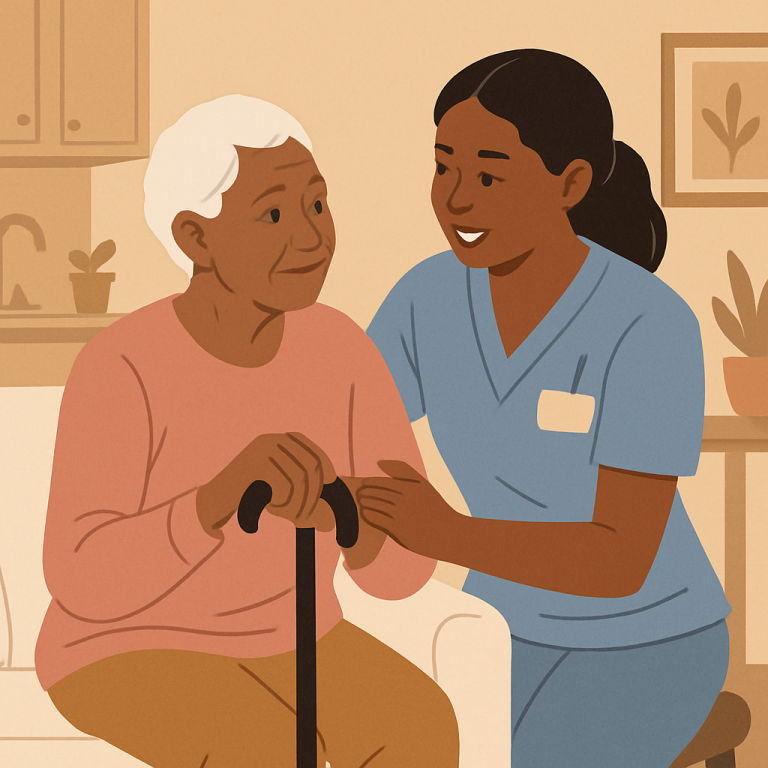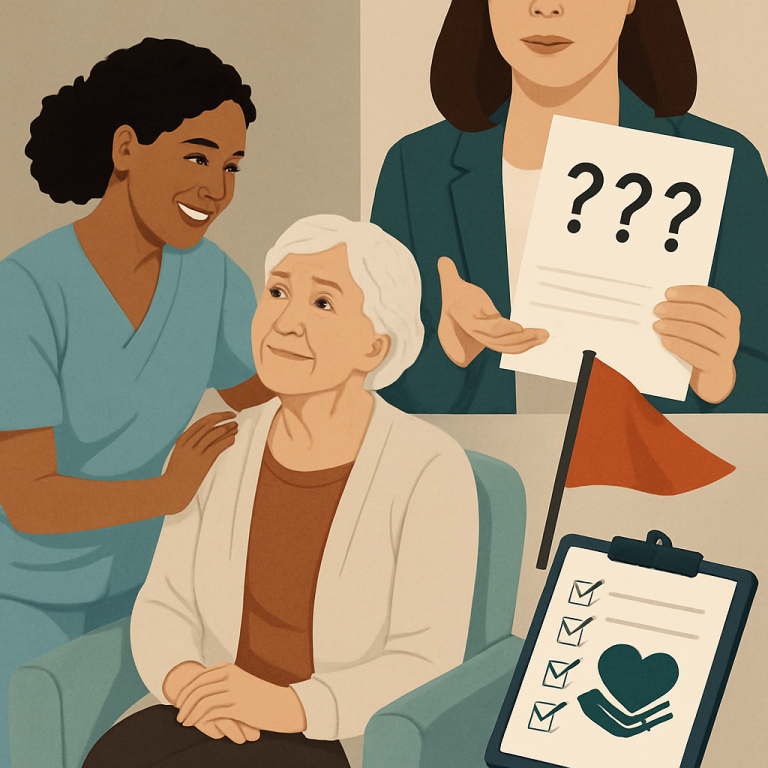

Learn how companionship and mental health support improve emotional well-being in older adults. Discover effective strategies to reduce loneliness, depression, and anxiety among seniors.
As individuals age, their social circles often become smaller due to retirement, health challenges, relocation, or the loss of friends and loved ones. While aging brings wisdom and experience, it can also introduce emotional challenges such as loneliness, depression, and anxiety.
Mental and emotional well-being are just as important as physical health. At Cedar Home Health Care, we recognize that compassionate companionship and professional mental health support are essential components of holistic senior care.
Understanding Loneliness in Older Adults
Loneliness is more than simply being alone. It is the emotional distress that results from feeling isolated or disconnected from others. Many seniors live independently or spend extended periods without meaningful social interaction.
Common causes of loneliness among older adults include:
-
Loss of a spouse or close friends
-
Limited mobility or chronic illness
-
Reduced family visits
-
Hearing or vision impairment
-
Relocation away from familiar communities
Prolonged loneliness can contribute to depression, anxiety, cognitive decline, and even physical health issues such as high blood pressure and weakened immunity.
Recognizing Signs of Depression and Anxiety
Depression and anxiety are not normal parts of aging, yet they often go unrecognized in older adults. Family members and caregivers should watch for:
-
Persistent sadness or hopelessness
-
Withdrawal from social activities
-
Changes in appetite or sleep patterns
-
Loss of interest in hobbies
-
Increased irritability
-
Excessive worry or restlessness
-
Difficulty concentrating
Early identification allows for timely intervention and improved outcomes.
The Importance of Companionship
Companionship plays a vital role in promoting emotional stability and mental health. Regular interaction provides reassurance, validation, and a sense of belonging.
Meaningful companionship can:
-
Reduce feelings of isolation
-
Encourage positive thinking
-
Stimulate memory and cognitive function
-
Improve self-esteem
-
Promote a sense of purpose
Even simple conversations can make a profound difference in a senior’s day.
Practical Ways to Reduce Loneliness and Support Mental Health
1. Encourage Regular Social Interaction
Frequent communication with family members and friends is essential. Scheduled phone calls, video chats, or in-person visits help seniors feel valued and remembered.
For those with limited mobility, technology can bridge the gap by providing virtual connection opportunities.
2. Promote Participation in Activities
Engagement in enjoyable activities improves mood and mental stimulation. These may include:
-
Reading
-
Puzzles and games
-
Gardening
-
Light exercise
-
Religious or spiritual activities
-
Community programs
Structured routines provide stability and something to look forward to.
3. Support Physical Activity
Physical health and mental health are closely linked. Gentle exercises such as walking, stretching, or chair-based workouts release endorphins that naturally elevate mood and reduce anxiety.
Healthcare providers can recommend safe, age-appropriate exercise programs.
4. Encourage Open Communication
Creating a safe environment where seniors feel comfortable expressing emotions is critical. Listen actively and without judgment. Sometimes, simply being heard is therapeutic.
If symptoms of depression or anxiety persist, professional counseling or medical evaluation may be necessary.
5. Maintain a Structured Daily Routine
Consistency provides comfort and predictability. Regular meal times, scheduled activities, and consistent sleep patterns contribute to emotional stability.
The Role of Professional Home Health Care
Professional caregivers provide more than medical assistance—they offer meaningful human connection.
At Cedar Home Health Care, our compassionate caregivers prioritize companionship alongside clinical care. Our services include:
-
Friendly conversation and emotional support
-
Assistance with hobbies and activities
-
Accompaniment to appointments
-
Monitoring changes in mood or behavior
-
Collaboration with families and healthcare providers
Having a consistent caregiver fosters trust and familiarity, reducing anxiety and promoting emotional security.
When to Seek Additional Mental Health Support
If an older adult experiences persistent sadness, thoughts of self-harm, severe anxiety, or dramatic behavioral changes, professional medical evaluation should be sought immediately. Mental health conditions are treatable, and early intervention improves recovery outcomes.
There is no shame in seeking help. Mental health is an essential part of overall wellness.
Creating a Culture of Compassion and Connection
Companionship is not a luxury—it is a necessity for healthy aging. Emotional connection strengthens resilience, promotes hope, and enhances quality of life.
By encouraging social interaction, supporting engaging activities, maintaining routines, and partnering with professional caregivers, families can significantly reduce loneliness and emotional distress among seniors.
At Cedar Home Health Care, we are committed to delivering compassionate, person-centered care that addresses both physical and emotional needs. If your loved one could benefit from companionship and mental health support in the comfort of their home, contact Cedar Home Health Care today. Together, we can foster connection, dignity, and peace of mind.