
Home Health Nursing: How Nurses Support Recovery and Chronic Care at Home
Home health nursing brings clinical care into the places people live, turning hospital-level skills into practical support for recovery and long-term needs. This post explains what nurses do in the home — from wound and medication management to post-operative monitoring, chronic disease support, palliative care, and caregiver training that helps prevent complications and unnecessary readmissions. You will get practical steps for discharge planning, questions to ask providers, and real examples of nursing tasks that keep seniors and families safer and more independent at home.
1. What home health nursing looks like in practice
Straight to the point: a home health nursing visit is not a single service — it is a tailored clinical checkpoint that combines assessment, treatment, and teaching in the context of the home environment. Nurses translate orders from hospitals and physicians into practical steps that family caregivers can follow, and they make judgement calls you would not expect from a scheduled outpatient appointment.
Who shows up and what they can do
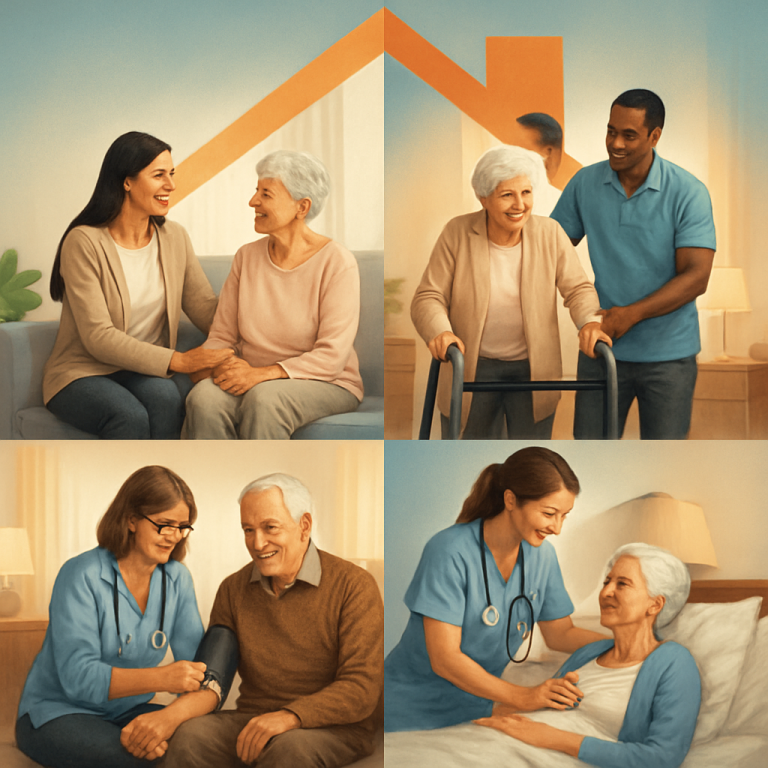
Roles matter: Registered Nurses (RNs) handle assessments, complex wound care, IV therapy and clinical decision-making; Registered Practical Nurses (RPNs) deliver routine nursing treatments and monitoring; Personal Support Workers (PSWs) cover activities of daily living and basic monitoring under nursing oversight. Cedar schedules these roles based on clinical need and visit frequency so you get the right skill level, not just warm bodies.
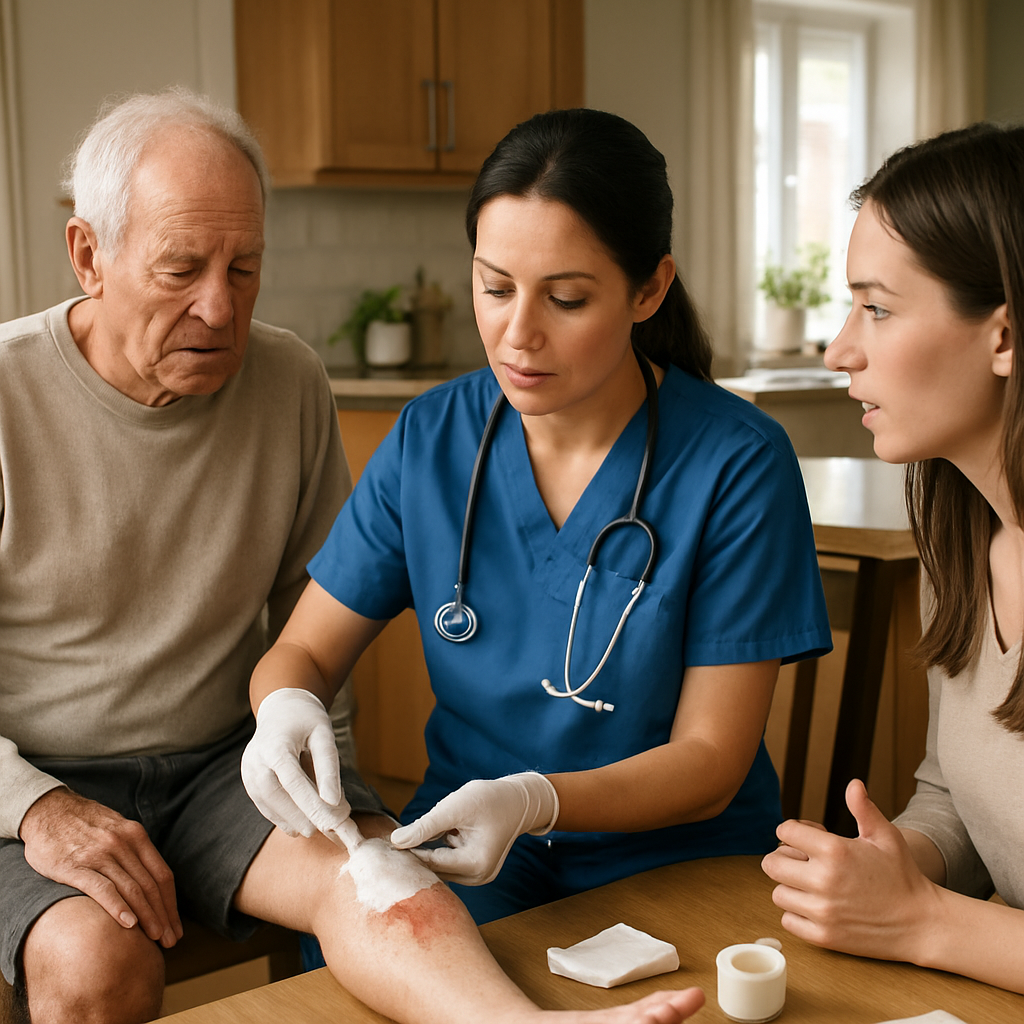
- Typical clinical tasks during visits: medication reconciliation, wound and dressing changes, IV or injection administration when ordered, catheter or ostomy care, vital-sign and symptom trending
- Essential non-clinical work: caregiver coaching, mobility support, fall-risk mitigation, household safety checks and coordination with community resources
- Coordination duties: communicating with surgeons, primary care, physiotherapists and funding workers to keep the care plan actionable
Practical trade-off: higher-frequency visits by an RN give better early complication detection but cost more and require scheduling flexibility; lower-cost PSW visits maintain daily function but cannot perform clinical procedures. Families should balance clinical complexity against budget and availability — Cedar helps map clinical tasks to the most efficient visit mix.
Concrete Example: A 72-year-old discharged after hip replacement receives an RN visit within 48 hours for wound check and medication reconciliation, an RPN twice weekly for dressing changes and pain reassessment, and a PSW for daily ADL support. That combination reduced the need for emergency trips in the first 30 days and let the patient progress with home-based physiotherapy coordinated by the nurse.
What people get wrong: many expect home nursing to be identical to hospital care. It is not — nurses make trade-offs because the home is not a controlled setting. Successful home nursing depends on clear escalation criteria, realistic mobility goals, and caregiver engagement, not just clinical skills.
Early, targeted nursing visits plus caregiver training are the highest-yield interventions for preventing readmission and maintaining independence at home.
Next consideration: before you sign up for services, ask the provider how they allocate RN versus PSW time for your case, what escalation triggers they use, and how they document visits — those answers predict whether care will catch problems early or simply maintain status quo.