Understanding Personalized Care Plans
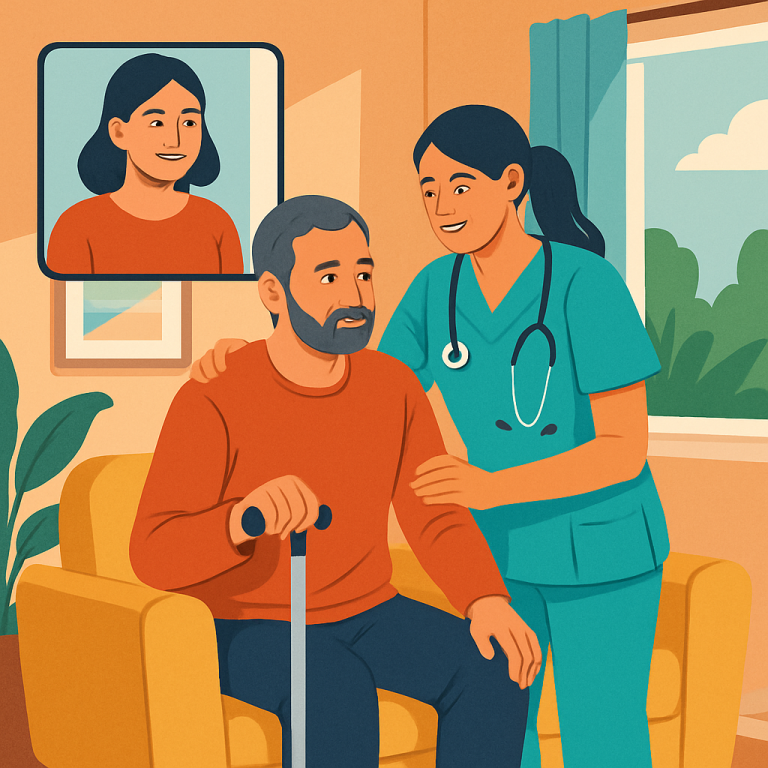
Personalized care plans are bespoke strategies designed to cater to the individual health needs and preferences of patients, particularly in the context of home healthcare. These plans are crafted after a thorough assessment of the patient’s medical history, current health status, and personal goals, ensuring that the approach taken is both holistic and tailored. In essence, a personalized care plan is not a one-size-fits-all solution; rather, it recognizes that each individual has unique needs and circumstances that must be considered for effective care.
The importance of personalization in home health care cannot be overstated. With advances in medical technology and a deeper understanding of various health conditions, healthcare providers can now create more effective and targeted health solutions. A personalized care plan facilitates a deeper connection between the patient and their healthcare team, fostering trust and collaboration. This approach not only enhances the quality of care but also empowers patients, giving them a sense of agency over their health journey.
Benefits of Personalized Care Plans
Optimal Health Outcomes
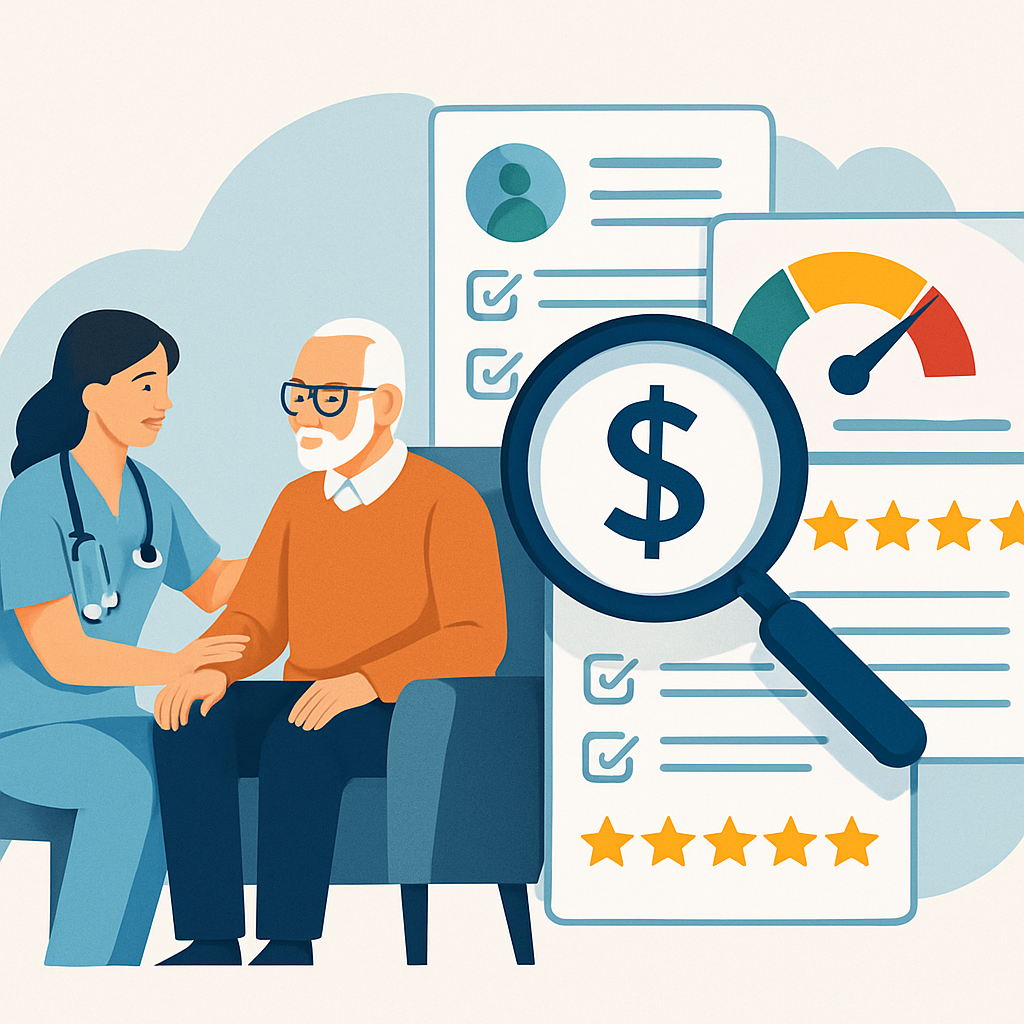
One of the most significant advantages of personalized care plans is the potential for optimal health outcomes. When care plans are tailored specifically to the patient’s needs, they are more likely to address the underlying issues effectively. This personalized approach often leads to quicker recovery times, reduced hospital readmission rates, and overall enhancement in the quality of life. For instance, a patient recovering from surgery might have a plan that includes specific physical therapy routines, dietary adjustments, and medication schedules customized to their recovery needs.
Moreover, personalized care plans often integrate preventive measures, allowing healthcare providers to address potential health risks before they escalate. This proactive strategy is essential in managing chronic conditions that require ongoing care and monitoring, ensuring that patients maintain their health effectively over time.
Enhanced Patient Satisfaction
Patients often report higher satisfaction levels when they are actively involved in their care plans. Personalized care emphasizes the patient’s voice and preferences, which can lead to a more positive healthcare experience. The process allows patients to express their concerns, preferences, and goals, ensuring that their care aligns with their lifestyle and values. This active engagement can improve adherence to treatment recommendations, as patients are more likely to commit to a plan they helped create.
Additionally, enhanced patient satisfaction often translates into improved mental and emotional health. When patients feel heard and respected, their overall outlook on treatment can improve, contributing to a more resilient mindset towards recovery and health management.
Increased Independence
Another key benefit of personalized care plans is the promotion of independence among patients. Tailored plans often focus on empowering individuals to manage their health effectively, providing them with the necessary tools and strategies to maintain a level of autonomy in their daily lives. This is especially crucial for elderly patients or those with chronic illnesses who may feel vulnerable or reliant on others for care.
By incorporating education, resources, and support systems into personalized care plans, healthcare providers can help patients develop the skills and confidence needed to navigate their health journey. This not only fosters a sense of independence but also contributes to better health outcomes, as patients take an active role in managing their well-being.
Components of a Tailored Care Plan
Initial Assessment and Goal Setting
The first step in creating a personalized care plan is conducting a comprehensive initial assessment. This involves gathering detailed information about the patient’s medical history, current health conditions, medications, and lifestyle factors. Additionally, healthcare providers must engage patients in open conversations to understand their preferences, values, and personal health goals.
Once the assessment is complete, healthcare providers can collaboratively set realistic and achievable goals with the patient. These goals should be specific, measurable, attainable, relevant, and time-bound (SMART) to provide a clear framework for the care plan. For example, instead of a vague goal like improve health, a SMART goal may state, reduce blood pressure to below 130/80 mmHg within three months. This clarity helps both the patient and the healthcare provider stay focused on the desired outcomes.
Customized Treatment Strategies
With clear goals established, the next step involves devising customized treatment strategies tailored to the individual’s needs. This may encompass a variety of interventions, including medication management, physical therapy, nutritional counseling, and mental health support, among others. Each treatment plan should align with the patient’s identified goals and include specific action steps to guide the patient in their recovery process.
Regular collaboration between the patient and their healthcare team is crucial during this phase. By ensuring that patients are involved in decision-making, they are more likely to adhere to the treatments prescribed and feel a sense of ownership over their health journey. This collaboration also allows for ongoing adjustments to the care plan as the patient progresses or as new challenges arise.
Regular Monitoring and Adjustments
Personalized care plans are dynamic and should include regular monitoring to assess progress and efficacy. Frequent evaluations allow healthcare providers to identify any areas where the patient may be struggling and to make necessary adjustments to the treatment strategies. This ongoing communication ensures that the care plan remains aligned with the patient’s current health status and evolving needs.
The Role of Home Healthcare Providers
Collaboration with Patients and Families
Home healthcare providers play a pivotal role in the success of personalized care plans. Their expertise in the field allows them to create effective strategies while fostering collaboration among patients, families, and other healthcare professionals. By involving family members in the care process, providers can ensure that patients have the necessary support and resources to thrive in their home environment.
Involving families in the care plan not only enhances communication but also helps to establish a supportive network that can motivate patients to adhere to their treatment plans. Family members can assist with monitoring daily activities, reinforcing medication schedules, and providing emotional support—elements that are crucial for achieving the desired health outcomes.
Expertise in Creating Effective Care Plans
Home healthcare providers bring specialized knowledge and experience to the development of personalized care plans. Their understanding of various medical conditions and treatments allows them to design tailored strategies that address the specific needs of each patient. Furthermore, they stay updated on the latest research and best practices in home healthcare, ensuring that the care plans they create are evidence-based and effective.
In addition to clinical expertise, home healthcare providers are trained in interpersonal communication, which is essential for building rapport with patients. This relationship is vital for understanding patients’ concerns and preferences, ultimately leading to more effective and personalized care strategies.
Real-Life Examples of Successful Care Plans
Case Study 1: Post-Surgery Recovery
Consider the case of a 65-year-old woman who underwent hip replacement surgery. Post-surgery, she was at risk of complications such as blood clots and decreased mobility. To address her specific needs, her healthcare provider developed a personalized care plan that included regular physical therapy sessions, a specific set of exercises to perform at home, and daily medication management.
Additionally, the plan included nutritional counseling focused on a high-protein diet to facilitate healing. Regular follow-up appointments allowed the healthcare team to monitor her recovery, adjust her exercise regimen, and ensure her adherence to the nutritional guidelines. As a result, she experienced a smooth recovery with minimized complications and returned to her daily activities within weeks.
Case Study 2: Chronic Illness Management
In another instance, a 50-year-old man diagnosed with diabetes faced challenges in managing his condition effectively. His personalized care plan involved a multi-faceted approach, including glucose monitoring, dietary adjustments, and regular consultations with a dietitian and diabetes educator. The plan was designed to be flexible, allowing room for adjustments based on his daily glucose readings and lifestyle changes.
Through consistent monitoring and educational sessions, the patient learned how to better manage his diabetes. Over time, he was able to lower his HbA1c levels significantly, reducing his risk of complications and improving his overall well-being.
Case Study 3: Elderly Care
A 75-year-old man living alone required a personalized care plan to help manage his chronic heart condition and maintain his independence. The plan included regular visits from a home health aide who assisted with daily activities such as meal preparation and medication management. Additionally, it incorporated regular exercise tailored to his ability and preferences, along with scheduled check-ins from a nurse for health monitoring.
By maintaining an open line of communication between the healthcare team, the patient, and his family, the care plan adapted to his evolving needs, allowing him to remain in his home while successfully managing his heart condition. This approach significantly improved his quality of life and mental well-being.
How to Get Started with Personalized Care Plans
Choosing the Right Home Healthcare Provider
Choosing the right home healthcare provider is a critical first step in establishing a personalized care plan. It’s essential to select a provider with a proven track record in personalized care and experience in managing the specific health issues faced by the patient. Researching providers, reading reviews, and seeking referrals from healthcare professionals or trusted individuals can aid in making an informed decision.
Moreover, ensuring that the provider is licensed, insured, and accredited by relevant healthcare organizations can provide peace of mind regarding the quality of care. It’s also advisable to inquire about the provider’s approach to creating personalized care plans, including their assessment process and how they involve patients and families in decision-making.
Questions to Ask During Consultations
During initial consultations with potential home healthcare providers, it’s essential to ask questions that can shed light on their methods and commitment to personalized care. Key questions may include:
- What is your process for developing personalized care plans?
- How do you involve patients and families in the care planning process?
- What measures are taken for regular monitoring and adjustments of the care plan?
- Can you provide examples of successful personalized care plans with similar health conditions?
- What support services do you offer in addition to medical care?
These inquiries can help gauge the provider’s compatibility with the patient’s unique needs and preferences, ensuring a good fit for establishing a successful partnership.
Conclusion
Summarizing the Importance of Personalized Care Plans
Personalized care plans stand at the forefront of modern home healthcare, offering tailored solutions that cater to individual patient needs. By focusing on optimal health outcomes, enhancing patient satisfaction, and promoting independence, these plans create a robust framework for effective health management. The collaborative approach involving healthcare providers, patients, and families not only fosters trust but also empowers patients to take charge of their health.
Encouraging Readers to Explore Home Healthcare Options
As the healthcare landscape continues to evolve, exploring personalized care options can significantly improve the quality of life for individuals needing home healthcare. Whether recovering from an illness, managing a chronic condition, or seeking assistance in daily activities, personalized care plans offer a compassionate and effective pathway to better health. Engaging with experienced home healthcare providers can be the first step towards crafting a care plan that transforms health challenges into opportunities for improved living.
FAQs
What is a personalized care plan?
A personalized care plan is a tailored strategy that addresses the individual health needs, preferences, and goals of a patient, particularly in home healthcare settings.
Why is personalization important in healthcare?
Personalization allows for targeted interventions that improve health outcomes, enhance patient satisfaction, and promote independence by aligning care with the patient’s unique circumstances.
What are the key components of a personalized care plan?
Key components include initial assessments, customized treatment strategies, and regular monitoring and adjustments based on the patient’s progress and needs.
How do home healthcare providers contribute to personalized care?
Home healthcare providers collaborate with patients and families to create effective personalized care plans using their expertise to address specific health conditions and needs.
What steps should I take to initiate a personalized care plan?
Start by researching and choosing a reputable home healthcare provider, asking important questions during consultations, and engaging in open discussions about your health needs and goals.
Further Reading and Resources
For those seeking more information on home health care and related services, several resources are available: