Introduction to Home Healthcare
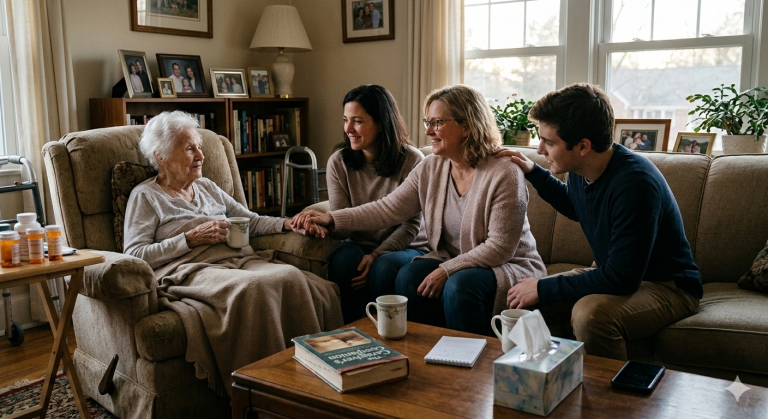
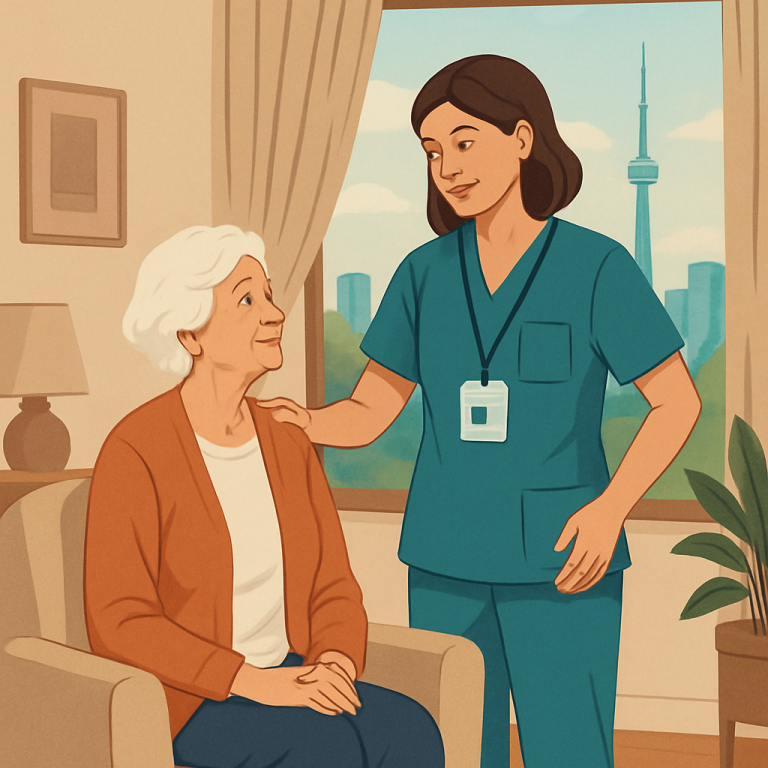
Home healthcare has emerged as a vital component of the medical system, providing patients with necessary care in the comfort of their own homes. This article delves into real-life case studies that illustrate the transformative power of home healthcare. We will explore various scenarios, ranging from recovery journeys to chronic illness management, pediatric care, elderly support, and mental health interventions. Each case study shines a light on how tailored home healthcare services can enhance quality of life, promote independence, and support families.

Understanding Home Healthcare
Home healthcare encompasses a range of medical and non-medical services delivered to individuals in their homes. The services can include skilled nursing care, physical therapy, occupational therapy, and assistance with daily activities. This model is particularly beneficial for patients recovering from surgery, managing chronic conditions, or requiring ongoing rehabilitation. Home healthcare provides personalized care plans that cater to the unique needs of each patient, fostering a supportive environment for recovery and well-being.
The Importance of Home Health Care
The significance of home healthcare cannot be overstated. It not only reduces the burden on hospitals and healthcare facilities but also offers a more comfortable, familiar, and personalized setting for patients. Home healthcare often leads to better health outcomes, as patients are more likely to adhere to treatment plans in a comfortable environment. Additionally, it empowers families by involving them in the care process, enhancing their ability to provide support and companionship.
Case Study 1: The Journey of Recovery
Background of the Patient
This case study follows a 62-year-old woman named Linda who underwent hip replacement surgery. Prior to her surgery, Linda faced significant mobility issues that affected her daily life, leading to pain and dependence on friends and family for assistance.
Home Health Care Services Provided
After her surgery, Linda received a tailored home healthcare plan that included daily visits from a registered nurse, physical therapy sessions, and assistance with household tasks. The nurse monitored her vital signs, managed pain medication, and educated Linda on post-operative care. Meanwhile, physical therapists worked with her to restore mobility and strength through targeted exercises.
Outcomes and Transformations
Within weeks, Linda experienced remarkable improvements. She regained mobility faster than expected, allowing her to return to her daily routines. Linda’s positive experience underscores the effectiveness of home healthcare in facilitating recovery and enhancing patient autonomy.
➡️ Ontario’s Home Care Services
Case Study 2: Managing Chronic Illness at Home
Patient Profile and Challenges
Mark is a 50-year-old man diagnosed with Type 2 diabetes. Managing his condition was challenging, particularly with fluctuating blood sugar levels and dietary restrictions. Mark often felt overwhelmed and struggled to adhere to a consistent health regimen.
Innovative Healthcare Solutions
Home healthcare providers introduced Mark to a diabetes management program that included regular visits from a nurse educator. The nurse helped him monitor his blood sugar levels, provided dietary advice, and set achievable personal health goals. Additionally, telehealth consultations allowed Mark to connect with his healthcare team without needing to travel.
Impact on Quality of Life
After several months, Mark reported significant improvements in his health. He became more proactive in managing his diabetes and experienced fewer health crises. The supportive home healthcare environment allowed him to regain confidence and independence, demonstrating the potential of chronic disease management at home.
➡️ Ontario’s Home Care Services
Case Study 3: Pediatric Home Healthcare
Overview of Pediatric Needs
In this case, we look at Emily, a six-year-old diagnosed with cerebral palsy. Emily faced challenges in mobility and communication, which necessitated specialized care and support.
Healthcare Interventions and Support
Emily’s home healthcare plan included physical therapy, speech therapy, and occupational therapy tailored to her unique needs. Therapists worked closely with her family, teaching them how to support Emily’s development through engaging activities and exercises.
Family Involvement and Success Stories
Emily’s family became actively involved in her care, fostering a nurturing environment that encouraged her progress. Over time, Emily made significant strides in her motor skills and communication abilities, showcasing the profound impact of home healthcare on pediatric patients and their families.
Case Study 4: Rehabilitation After Surgery
Details of the Surgical Procedure
This case involves James, a 45-year-old man who had knee surgery due to a sports injury. Following the procedure, James required rehabilitation to regain strength and mobility.
Role of Home Healthcare in Recovery
James’s home healthcare team included a physical therapist who designed a rehabilitation program focused on gradual progress. The therapist provided hands-on guidance and adjusted the program based on James’s recovery pace.
Sustained Improvements and Patient Feedback
James was able to return to playing sports within months, a feat he attributes to the personalized care and support he received at home. His experience highlights how targeted rehabilitation can lead to successful recovery outcomes.
Case Study 5: Elderly Care and Support
Overview of Aging Population Needs
This case study focuses on Margaret, a 78-year-old woman living alone who required assistance due to declining health and mobility issues.
Home Health Care Services for Seniors
Margaret received comprehensive home healthcare that included personal care services, meal preparation, and companionship. Caregivers assisted her with daily activities and ensured her safety at home.
Personal Stories of Enhanced Well-Being
Margaret found joy in her caregiver’s company, which alleviated feelings of loneliness and isolation. The support allowed her to maintain her independence while receiving the necessary care, enhancing her overall well-being.
➡️ Home and Community Care Support Services
Case Study 6: Mental Health and Home Healthcare
Understanding Mental Health Challenges
This case features Alex, a 30-year-old man who struggled with anxiety and depression. Alex’s condition made it difficult for him to seek help in traditional settings.
Home Healthcare Approaches to Mental Wellness
Through home healthcare, Alex received counseling and therapy services in a familiar and comfortable environment. Mental health professionals provided regular check-ins and tools for managing his symptoms.
Success Stories and Testimonials
With ongoing support, Alex reported significant improvements in his mental health. He felt empowered to engage in activities he once avoided and appreciated the accessibility of home healthcare for mental wellness.
➡️ Ontario’s Home Care Services
Conclusion: The Future of Home Healthcare
Trends and Innovations in Health Care
The future of home healthcare is promising, with emerging technologies such as telehealth, remote monitoring, and artificial intelligence playing significant roles in patient care. These innovations will continue to enhance accessibility and personalization in home healthcare.
How Home Healthcare is Changing Lives
The case studies discussed demonstrate the profound impact of home healthcare on patients and their families. By providing tailored care in a supportive environment, home healthcare helps individuals regain independence and improve their quality of life.
FAQs
What is home healthcare?
Home healthcare refers to a wide range of medical and non-medical services provided to patients in their homes to support recovery, chronic illness management, and daily living activities.
Who can benefit from home healthcare services?
Patients recovering from surgery, managing chronic conditions, elderly individuals needing assistance, children with special needs, and individuals with mental health challenges can all benefit from home healthcare services.
How is home healthcare different from hospital care?
Home healthcare focuses on personalized care in a comfortable environment, while hospital care typically involves acute treatment in a clinical setting. Home healthcare aims to promote independence and enhance quality of life.
What types of services are included in home healthcare?
Services can include nursing care, physical therapy, occupational therapy, speech therapy, personal care, meal preparation, and companionship, tailored to meet each patient’s specific needs.
Is home healthcare covered by insurance?
Many insurance plans, including Medicare and Medicaid, cover home healthcare services, but coverage may vary depending on the specific plan and services required. It’s essential to check with your insurance provider for details.
How do I choose a home healthcare provider?
When selecting a home healthcare provider, consider factors such as their accreditation, available services, caregiver qualifications, patient reviews, and their approach to personalized care.
➡️ Contact Cedar Home Health Care to create your plan today!